


Spiral Bevel Gear Vs Hypoid: Insights from Leading China Manufacturers
When diving into the world of gears, I often find myself comparing Spiral Bevel Gears and Hypoid Gears. Both offer unique advantages, so understanding their differences is key for making the right choice in industrial applications. In my experience, Spiral Bevel Gears provide excellent efficiency and smooth transmission, perfect for high-speed environments. On the other hand, Hypoid Gears have a distinctive design, allowing for better load capacity and quieter operation, especially in tight spaces. As a manufacturer based in China, we specialize in producing both types of gears, ensuring that you get the quality and performance you need. Our gears are crafted with precision and tested thoroughly to meet your specific requirements. Whether you're in need of durable Spiral Bevel Gears or robust Hypoid Gears, we’re here to help streamline your operations. Let’s connect and discuss how our products can enhance your applications.

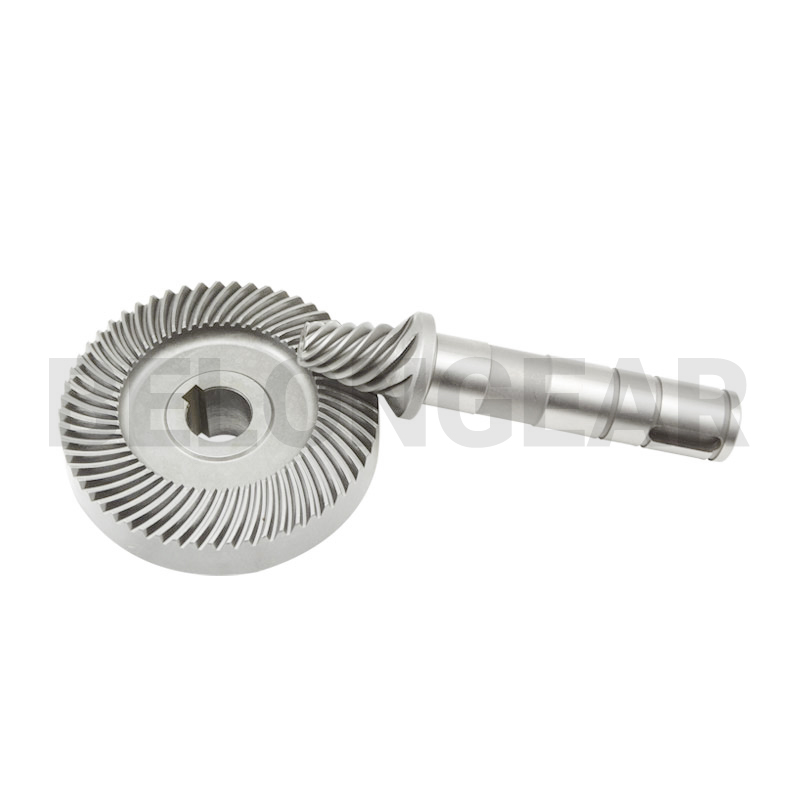


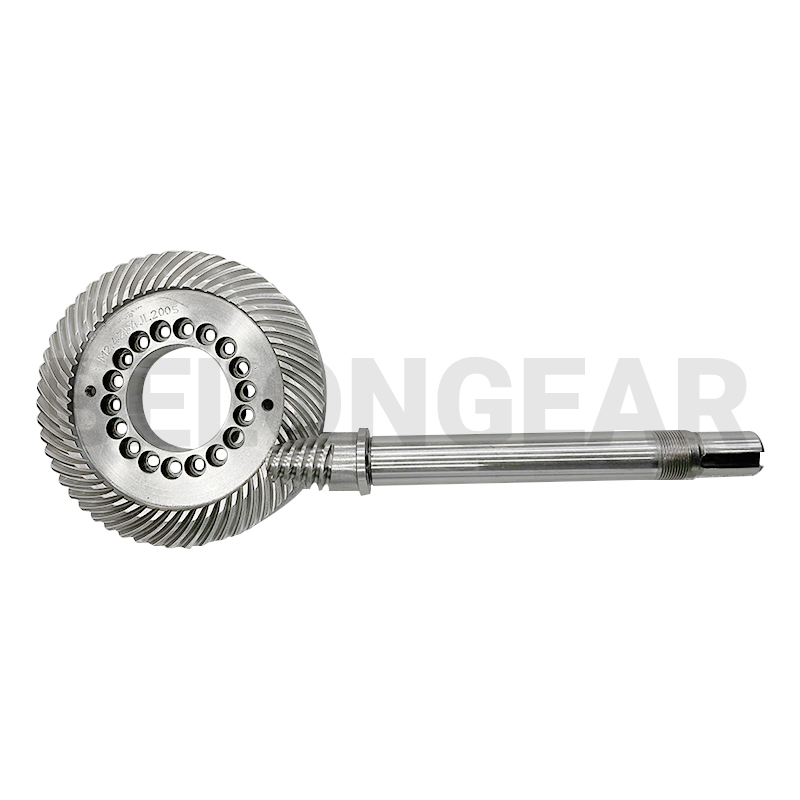
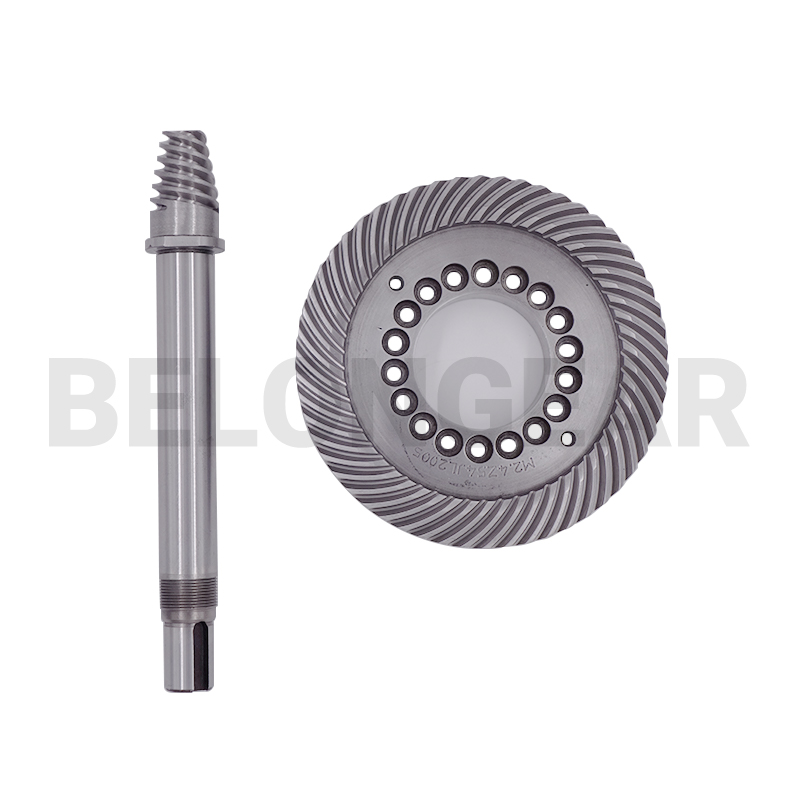
Spiral Bevel Gear Vs Hypoid Manufacturer Pioneers in the Field
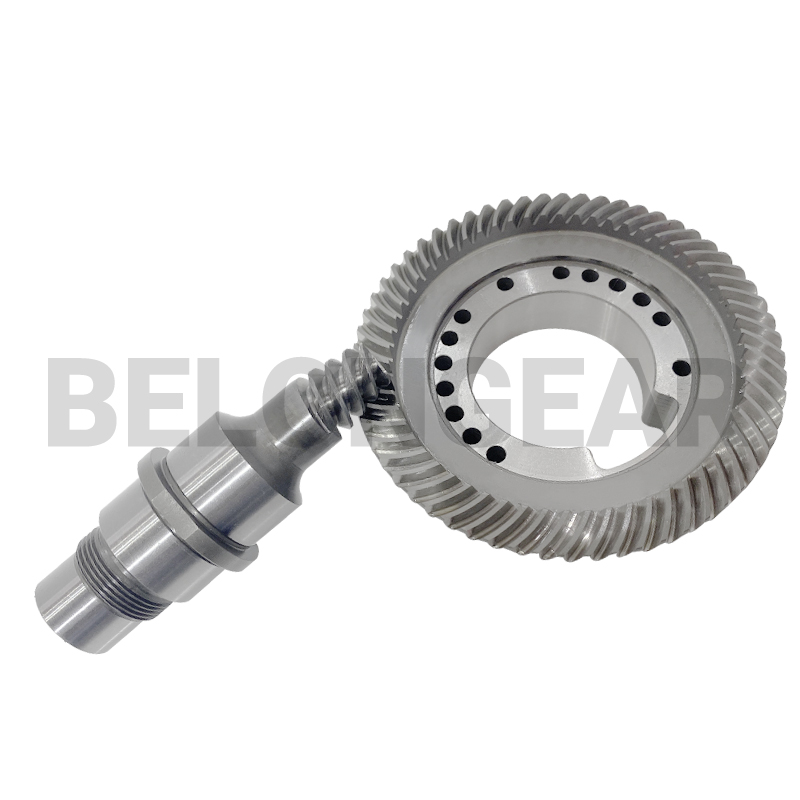
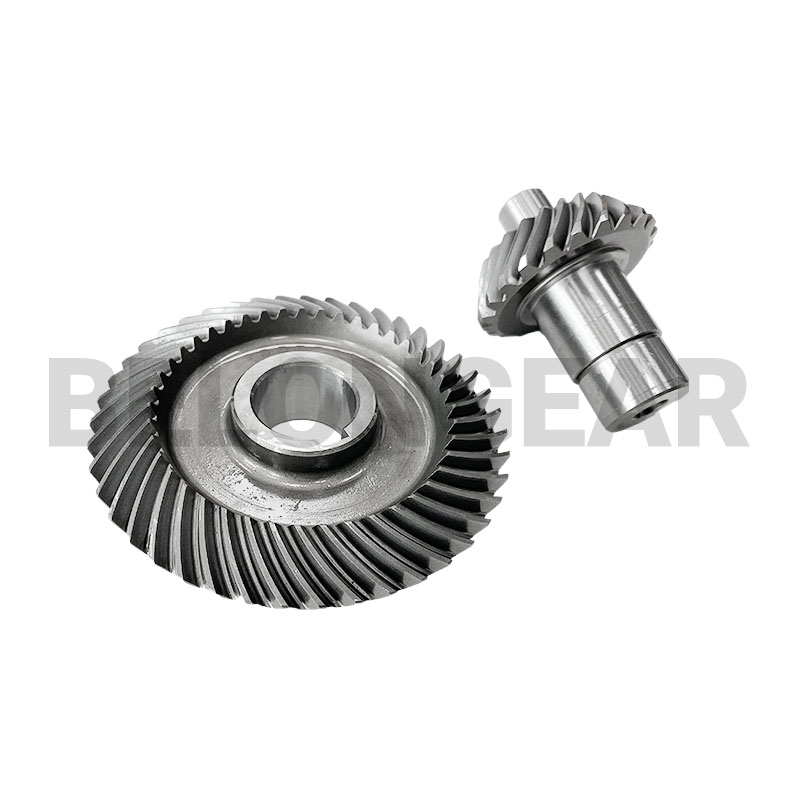
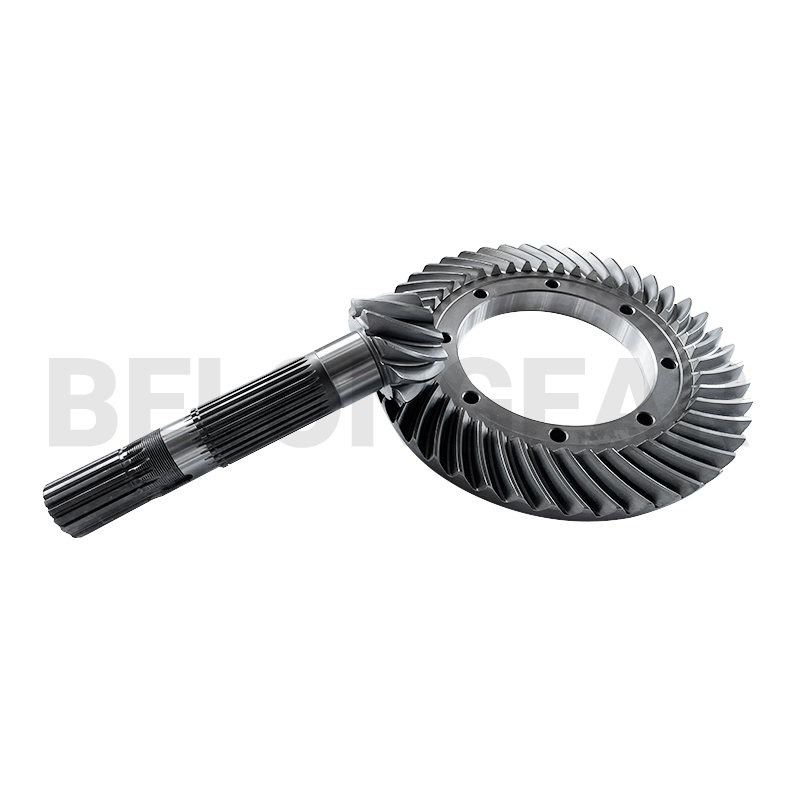
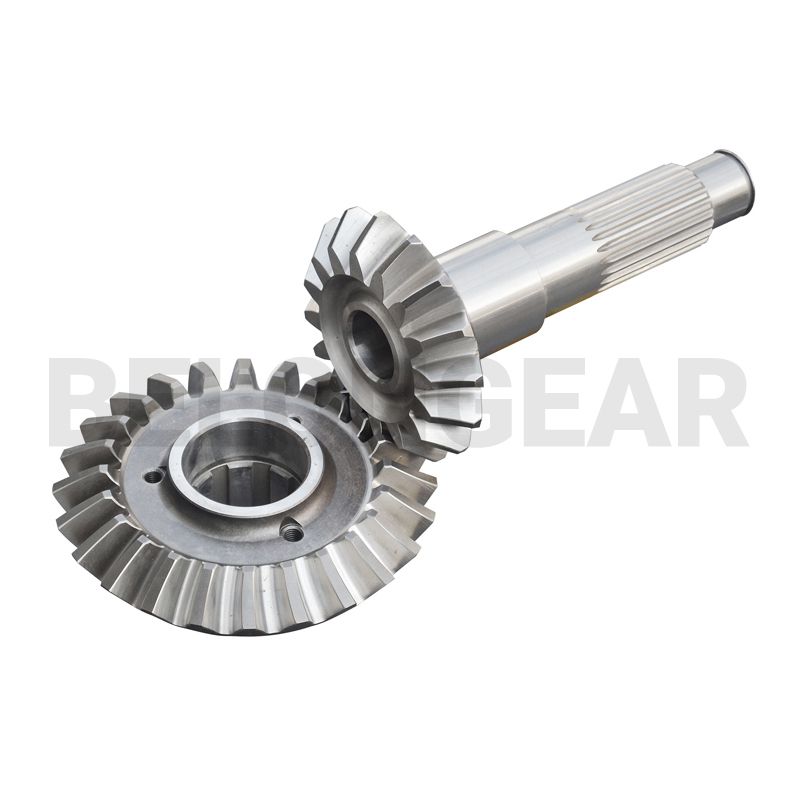
When it comes to the world of gearing technologies, spiral bevel gears and hypoid gears play pivotal roles in various industrial applications. Understanding the fundamental differences between these two types is essential for global buyers looking to improve their machinery's efficiency and performance. Spiral bevel gears are designed with angled teeth that enable smooth and efficient torque transfer between shafts that intersect at right angles. These gears allow for higher speeds and load capacities, making them ideal for applications in heavy machinery, automotive differentials, and precision equipment. On the other hand, hypoid gears offer unique advantages due to their offset design. This characteristic allows for smoother engagement between the gears, reducing noise and wear over time. Hypoid gears can transmit power more efficiently than spiral bevel gears in certain configurations, making them suitable for high-torque and high-load applications, including automotive drive systems. The choice between spiral bevel and hypoid gears largely depends on the specific requirements of the machinery involved, with factors such as load capacity, speed, and space constraints coming into play. As a buyer navigating the competitive landscape of gear manufacturing, it is crucial to partner with industry pioneers who understand these nuances. By collaborating with leading manufacturers specializing in both spiral bevel and hypoid gears, you can secure high-quality products tailored to meet your operational demands. Investing in advanced gear technology not only enhances performance but also contributes to the longevity and reliability of your machinery, ensuring you remain competitive in the global market.
Spiral Bevel Gear Vs Hypoid Manufacturer Pioneers in the Field
| Characteristic | Spiral Bevel Gear | Hypoid Gear |
|---|---|---|
| Gear Orientation | Intersecting axes | Non-intersecting axes |
| Contact Pattern | Line contact | Point contact |
| Load Capacity | Moderate | Higher |
| Efficiency | High efficiency | Very high efficiency |
| Manufacturing Complexity | Moderate | High |
| Applications | Automotive, aerospace | Heavy machinery, differential drives |
Related Products



Spiral Bevel Gear Vs Hypoid Pioneers in the Field Your Trusted OEM Partner
Top Selling Products


- Related Blog
- Related Videos
- Reviews
- Related Videos
- Reviews
