


Planetary Gear Advantages and Disadvantages: Insights from China Manufacturers
When considering planetary gear systems, I find it crucial to weigh the advantages and disadvantages, especially if you’re sourcing from a manufacturer in China. These gears offer compact design and high torque capabilities, making them ideal for various applications. However, it's vital to be aware of potential drawbacks like complexity in manufacturing and increased costs compared to traditional gear systems. As a B2B purchaser, I appreciate that knowing these pros and cons can help me make informed decisions when partnering with reliable Chinese manufacturers. They provide a balance of quality and affordability, but I always recommend checking their certifications and production practices. With the right information, I can confidently choose the best planetary gear solutions that meet my business needs while minimizing risks. Investing in quality gear systems can lead to greater efficiency and performance for my projects, ensuring I stay ahead in a competitive market.


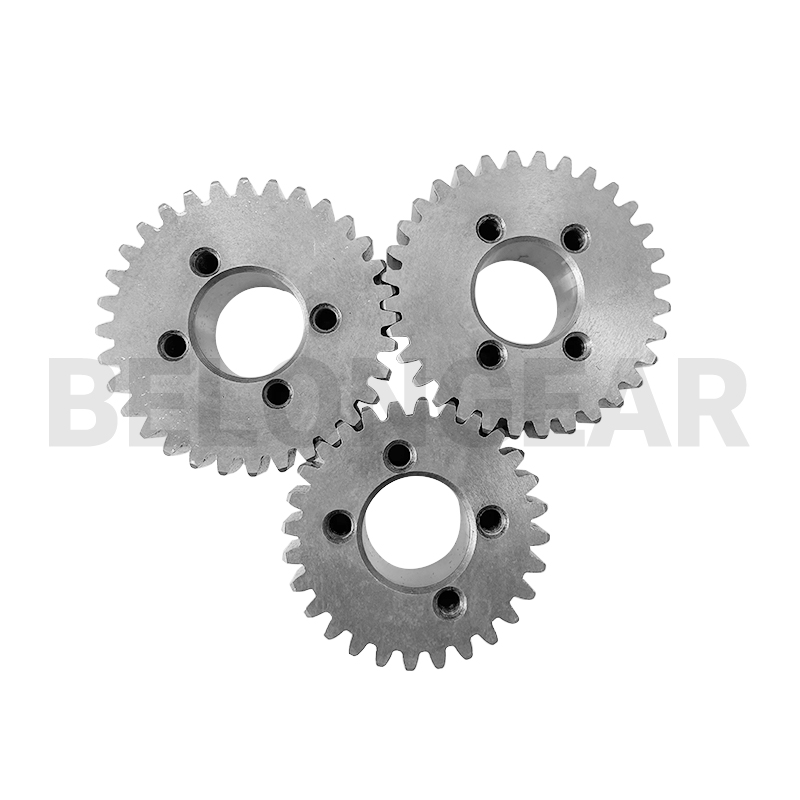

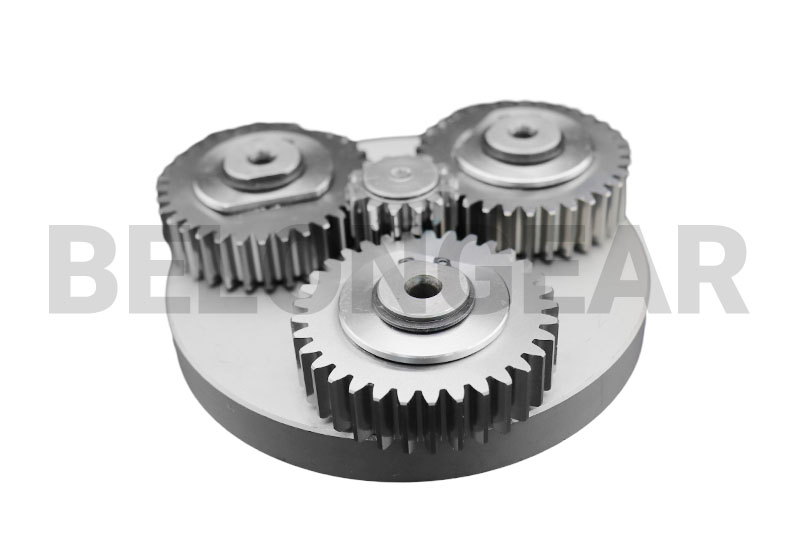
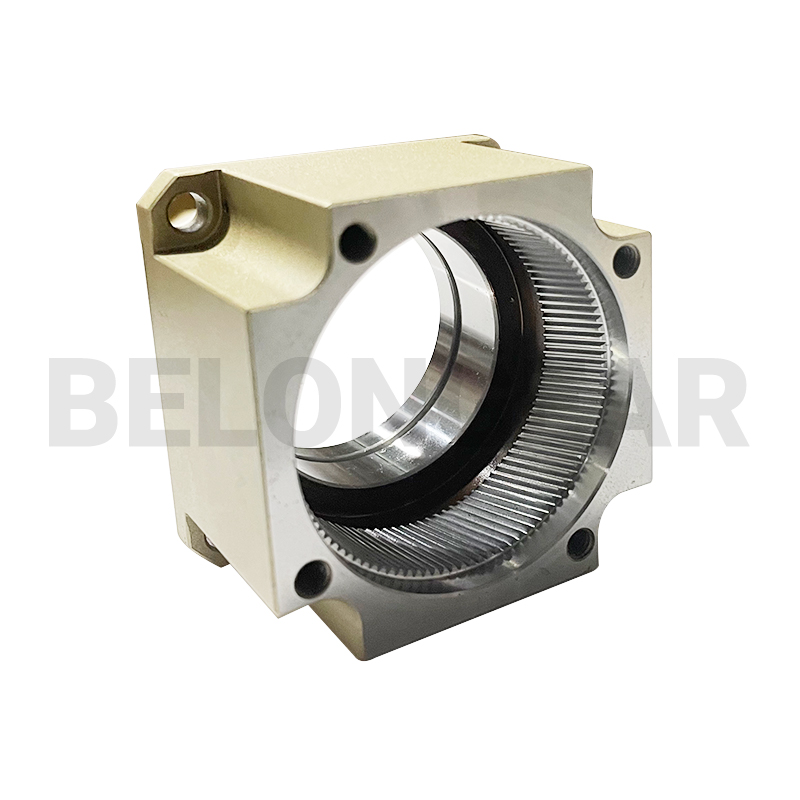
Planetary Gear Advantages And Disadvantages Winning in 2025 Factory-Direct Excellence
Planetary gear systems are increasingly favored in industrial applications, thanks to their compact design and high efficiency. One of the primary advantages is their ability to deliver high torque in a smaller footprint, making them ideal for applications where space is a constraint. Additionally, their multiple gear stages contribute to improved load distribution, resulting in longer service life and reduced wear. The inherent design also minimizes backlash, which is crucial for precision applications such as robotics and CNC machinery. However, there are challenges associated with planetary gear systems that global buyers should consider. The complexity of their design can lead to higher manufacturing costs and potentially more intricate maintenance procedures. Moreover, they may not be suitable for all applications, particularly those requiring low-speed operation without substantial torque. It is essential for procurement officers to match planetary gear systems with specific operational requirements to fully leverage their benefits. As we look ahead to 2025, factories worldwide will need to adapt to increasingly competitive markets. Embracing the advantages of planetary gears, alongside understanding their limitations, will be crucial for achieving operational excellence. Factory-direct sourcing can help ensure that buyers receive components that meet their precise specifications, thus enhancing overall performance and reliability in their machinery. In this evolving landscape, making informed choices regarding gear systems can provide a distinct competitive edge.
Planetary Gear Advantages And Disadvantages Winning in 2025 Factory-Direct Excellence
| Dimension | Advantages | Disadvantages |
|---|---|---|
| Torque Capacity | High torque capacity due to gear configuration | Requires precise manufacturing for effective performance |
| Size | Compact design allows for space-saving applications | Complex design may be challenging to assemble |
| Efficiency | High efficiency leading to reduced energy consumption | Potential for higher wear rates depending on usage |
| Load Distribution | Even load distribution promotes durability | May require specific lubrication types for optimal performance |
| Applications | Versatile across various industries (automotive, aerospace) | Not ideal for all types of mechanical systems |
Related Products


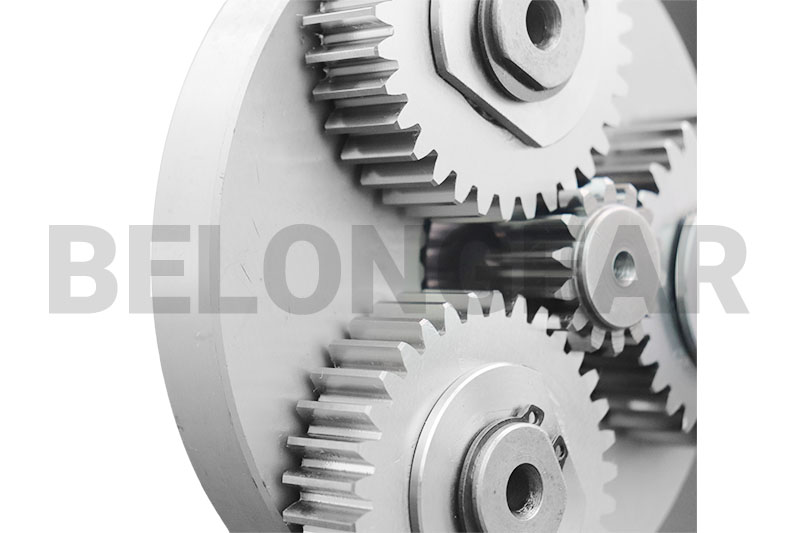
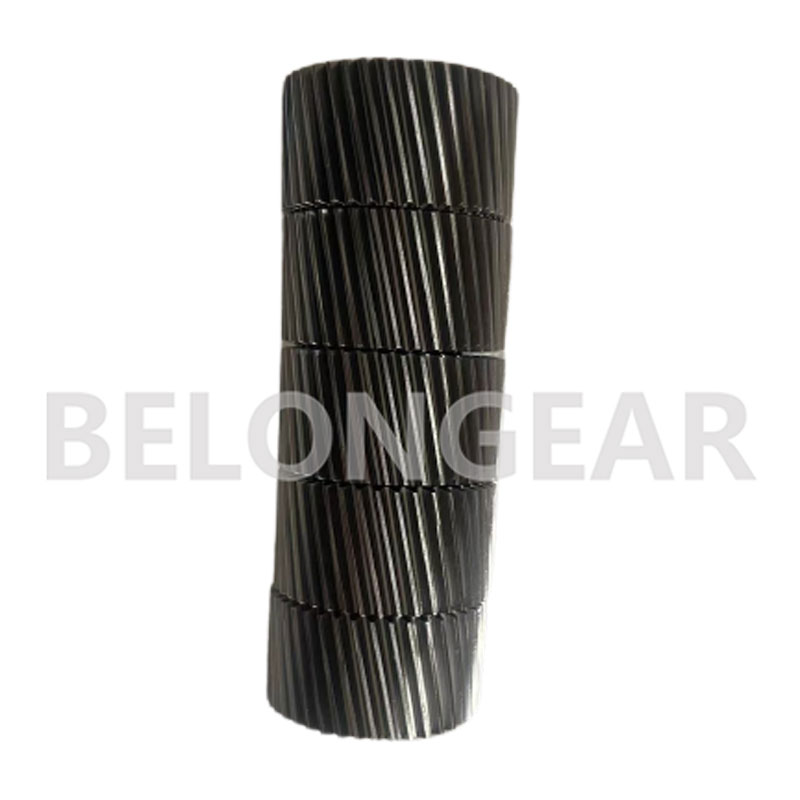

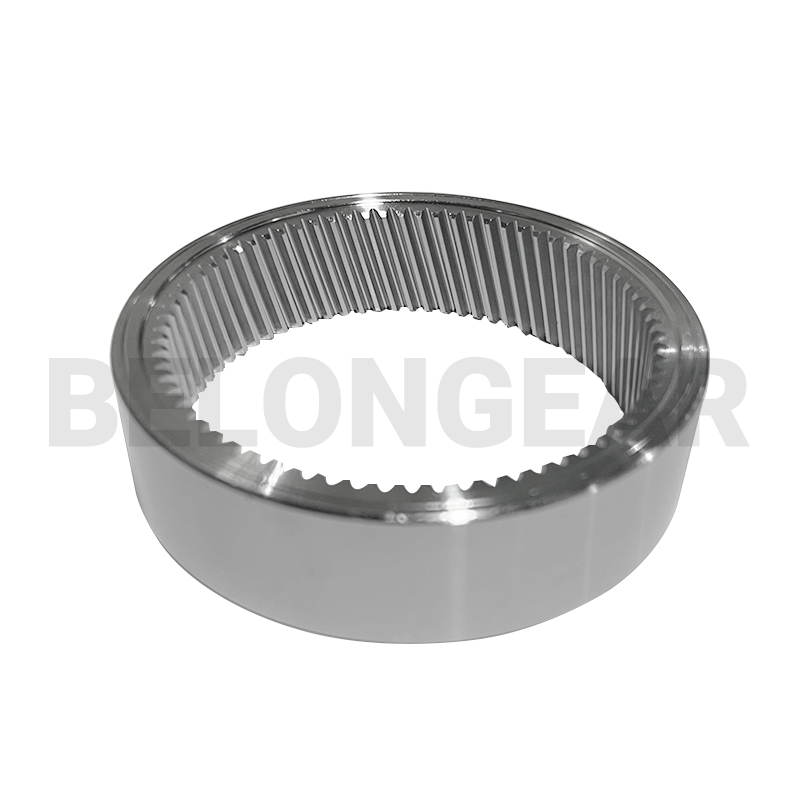
Planetary Gear Advantages And Disadvantages Stands Out Service Backed by Expertise
Top Selling Products






- Related Blog
- Related Videos
- Reviews
