


Abstract: Finding a reliable Chinese custom worm gear manufacturer requires verifying their technical precision (ISO standards), industrial experience (like mining or robotics), and export track record to ensure quality and communication.
To find a reliable manufacturer for custom worm gears in China, prioritize factories with ISO9001/IATF16949 certifications, on-site precision testing equipment (like Gleason or CMM), and a proven history of exporting to high-standard markets in Europe or North America.
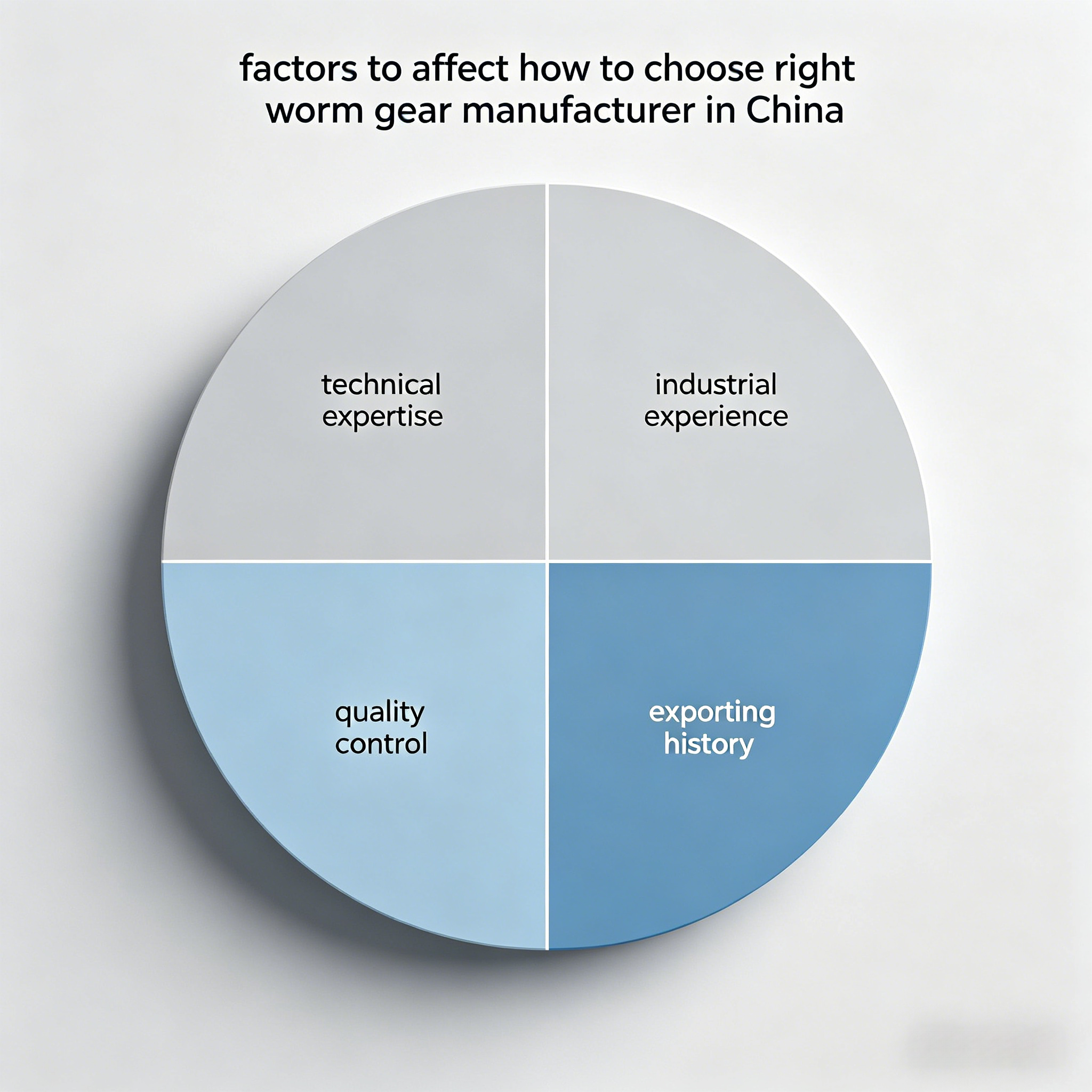
Why Is Technical Expertise the First Filter for Worm Gear Suppliers?
Technical expertise is the foundation of gear reliability, especially for high-precision applications. A manufacturer must demonstrate a deep understanding of gear geometry, material science, and heat treatment processes to ensure the longevity of the worm wheel and shaft.
When evaluating worm gear suppliers, look for those who specialize in specific gear types like spur, helical, or planetary. A “jack of all trades” might lack the specialized machinery needed for the tight tolerances of a high-precision worm set. Leading companies in China often hold dozens of inventions and patents, signifying their commitment to R&D.
Furthermore, the integration of modern digital tools is a sign of a forward-thinking partner. Reliable manufacturers now use ERP and CRM data to streamline their production and quality control workflows. This ensures that your custom specifications are tracked accurately from the initial quote to the final shipment.
How Do I Verify the Production Capacity of Worm Gear Manufacturers?
Production capacity is not just about the number of machines, but the quality of the technology used. High-precision gear manufacturing requires advanced CNC grinding and milling centers to achieve the accuracy levels required by industries like mining or medical technology.
Top-tier worm gear manufacturers in China often employ a large workforce—sometimes over 1,000 staff—to manage complex, high-volume orders. However, for custom orders, the flexibility of their engineering team is more important than sheer headcount. You need a partner who can handle small-batch custom designs with the same precision as mass production.
Always ask for a list of their machinery. If a factory uses world-class equipment (such as Swiss or German gear-cutting machines), it is a strong indicator that they can meet international quality standards. This is particularly crucial for the worm wheel, where tooth profile accuracy determines the efficiency and noise level of the entire gearbox.
What Role Does Industrial Experience Play in Custom Worm Gears?
Industrial experience ensures the manufacturer understands the specific stresses and environmental factors your gears will face. A supplier with experience in mining equipment, for example, will know how to optimize gears for high-torque, abrasive environments.
Collaborating with a manufacturer that has a history of working with global industrial leaders—such as major Turkish or European firms—suggests they are accustomed to rigorous quality audits and professional project management. These collaborations often involve deep technical discussions on product specifications and “crusher gear cooperation” for heavy-duty applications.
Experience also translates to better material selection. Whether your application requires bronze, stainless steel, or specialized alloys, a seasoned manufacturer will provide data-driven recommendations to prevent premature wear. Their portfolio should include a variety of successful projects across diverse sectors, from agriculture to high-end robotics.
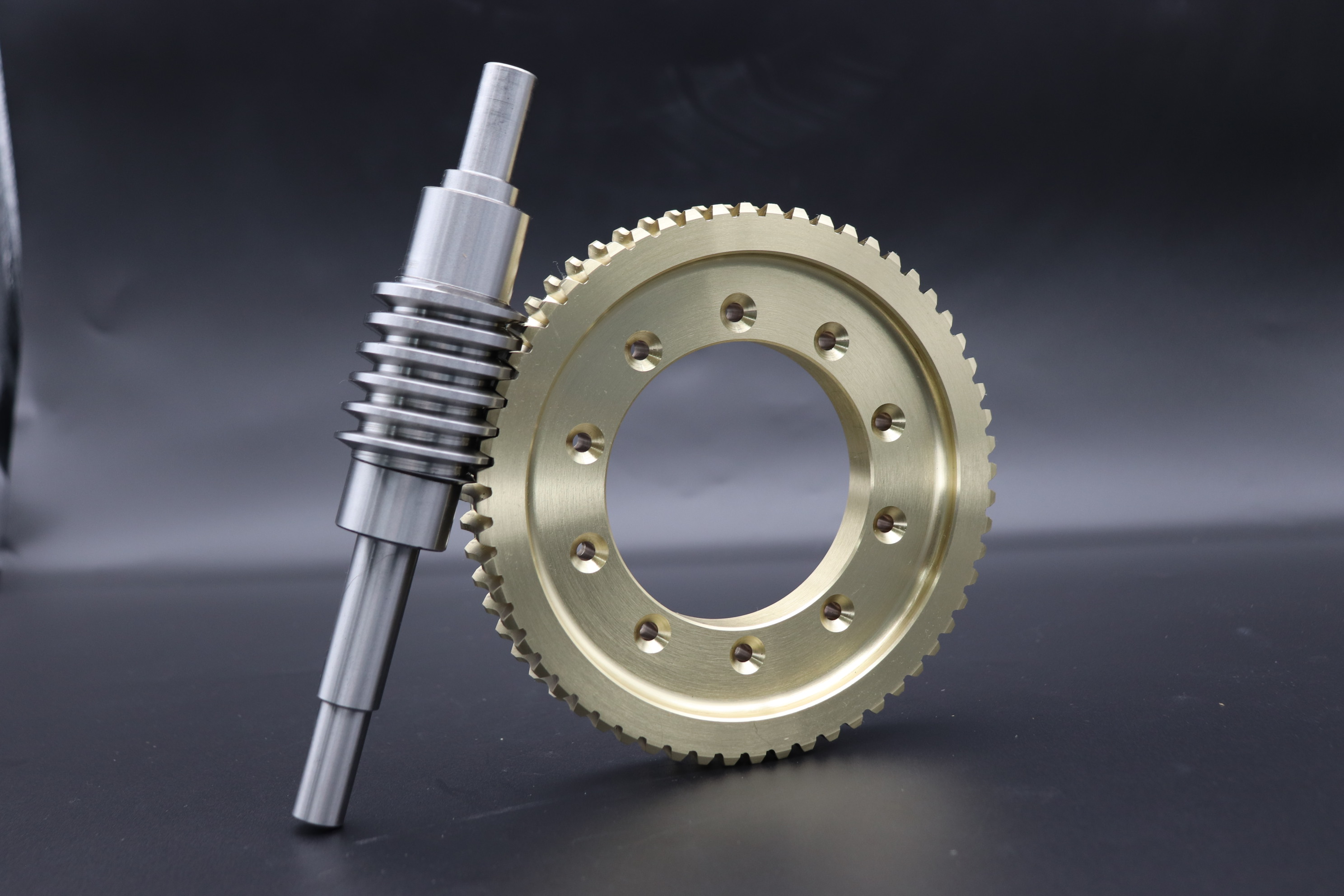
How to Ensure Quality Control When Sourcing Externally?
Quality control must be verified through both documentation and physical inspection reports. A reliable Chinese partner will provide detailed CMM (Coordinate Measuring Machine) reports and material certifications for every batch of custom worm gears.
Visual content can also be a powerful verification tool. Ask for photos or videos of the manufacturing process. Professional manufacturers often provide industrial-style imagery showing hands-on engineering and logistics interfaces, focusing on the precision of the work rather than generic marketing shots. This transparency builds trust and allows you to “see” the quality of the finish on the gear teeth.
Finally, consider their post-purchase support. A reliable supplier doesn’t just ship the product; they offer technical FAQs and troubleshooting guides. They should be willing to discuss website-based technical documentation or blog content that helps your engineers integrate their gears into your systems effectively.
FAQ
Q1: How do I know if a manufacturer can handle high-precision tolerances?
Check if they have specialized gear-testing centers and certifications like IATF16949. Request a sample inspection report (CMM report) to see their actual measured versus nominal values.
Q2: Is it better to work with a large factory or a small specialized shop?
Large factories (1,000+ employees) like Belon often have better quality systems and R&D resources (30+ patents). However, ensure they have a dedicated team for “custom” projects so your order doesn’t get lost in their mass-production schedule.
Q3: How can I verify a manufacturer’s reputation without visiting the factory?
Look for their history of international collaborations and client visits from global firms. Professional engagement in digital marketing, technical blogging, and transparent communication regarding their manufacturing process are also positive indicators.
Post time: May-09-2026