


Advantages and Disadvantages of Spur Gears: A Guide by China Manufacturers
When considering the advantages and disadvantages of spur gears, I can tell you there’s a lot to weigh in. As a manufacturer in China, I understand the significance of durability and efficiency in gear design. Spur gears are praised for their simplicity and ease of manufacturing, making them a popular choice in various applications. They operate quietly, ensuring minimal noise, yet sometimes their alignment can be tricky, especially in larger sets. In my experience, it’s crucial to assess load capacity and backlash, as these factors can greatly affect performance over time. Our spur gears offer a great balance of quality and competitive pricing, tailored for B2B needs. When sourcing from a reliable manufacturer, you can be confident that you’re getting the best value for long-term use. If you got any questions or need specifics, I am here to help with your choices.
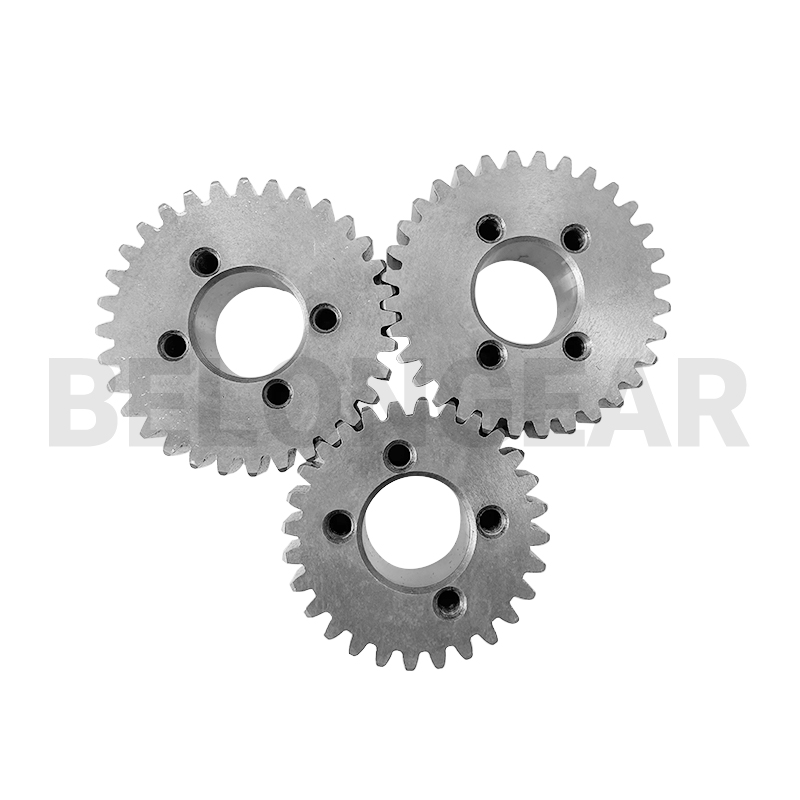


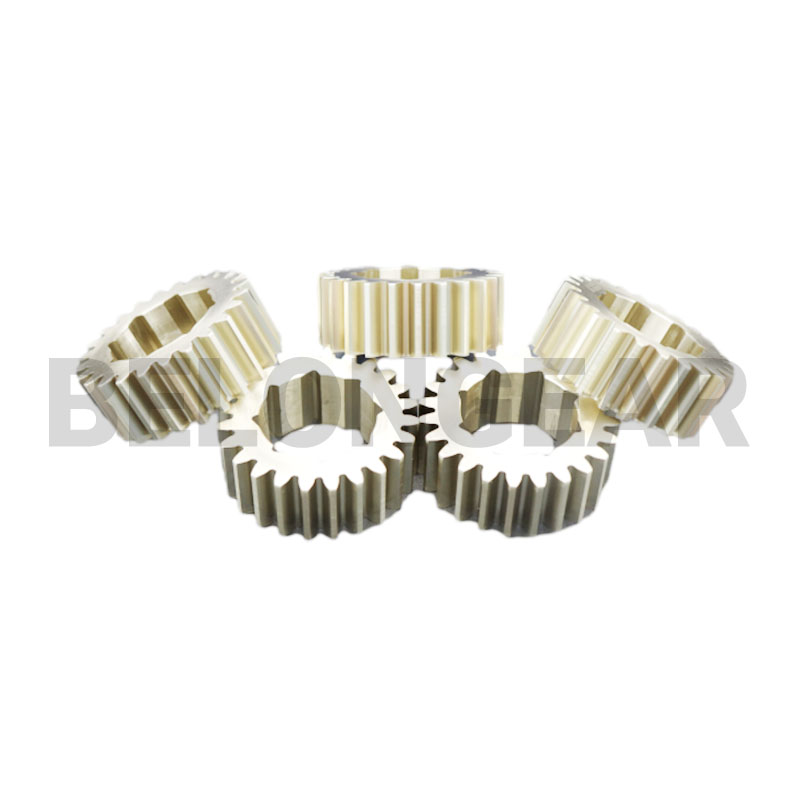
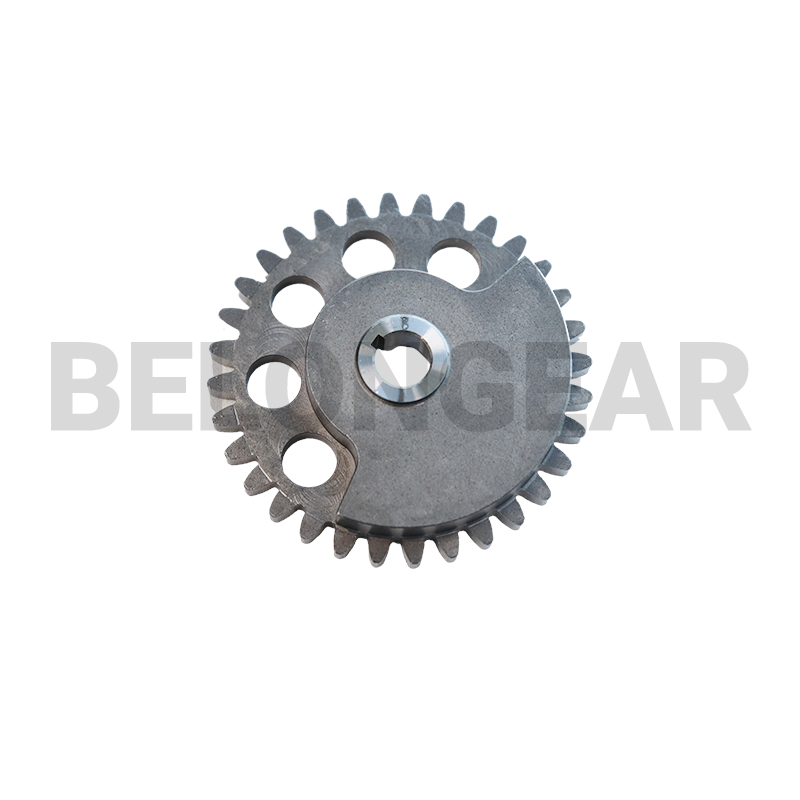

Advantages And Disadvantages Of Spur Gear Products Where Innovation Meets 2025
Spur gears are a fundamental component in various machinery applications, known for their simplicity and efficiency. These gears, characterized by their straight teeth and parallel shafts, are favored for their ability to transmit torque between shafts with minimal friction. This design leads to high mechanical efficiency, allowing equipment to operate smoothly and reliably. However, while there are notable advantages, it’s essential to also consider potential drawbacks in the context of innovation as we approach 2025. One of the significant advantages of spur gears is their ease of manufacturing and assembly, which translates into lower production costs. This affordability makes them a go-to choice for industries ranging from automotive to industrial machinery. Additionally, spur gears are highly customizable, meaning they can be tailored to specific applications to optimize performance. However, they do have limitations; for example, they tend to generate more noise compared to other gear types, such as helical gears, particularly at higher speeds. This noise can be a concern for applications where quiet operation is essential. As technology continues to advance, we expect innovations in materials and manufacturing techniques to enhance spur gear performance. The introduction of advanced composites and improved heat treatment processes may mitigate some of the traditional disadvantages, such as wear and noise. Consequently, manufacturers should remain proactive in adapting to these changes, ensuring they leverage the benefits of spur gear systems while addressing their limitations. This balanced approach will be crucial for businesses seeking to maintain a competitive edge in a rapidly evolving market.
| Aspect | Advantages | Disadvantages |
|---|---|---|
| Efficiency | High mechanical efficiency, usually above 95%. | Can lead to noise generation at high speeds. |
| Manufacturing | Relatively simple to manufacture. | Precision required in manufacturing process can increase costs. |
| Load Capacity | Good load-carrying capacity for a wide range of applications. | Limited to parallel shaft configurations, which may restrict design flexibility. |
| Wear and Tear | Materials can be chosen to reduce wear. | May require regular maintenance and lubrication. |
| Application Range | Versatile, used in many different industries including automotive, aerospace and manufacturing. | Design limitations may not meet specialized application needs. |
Related Products
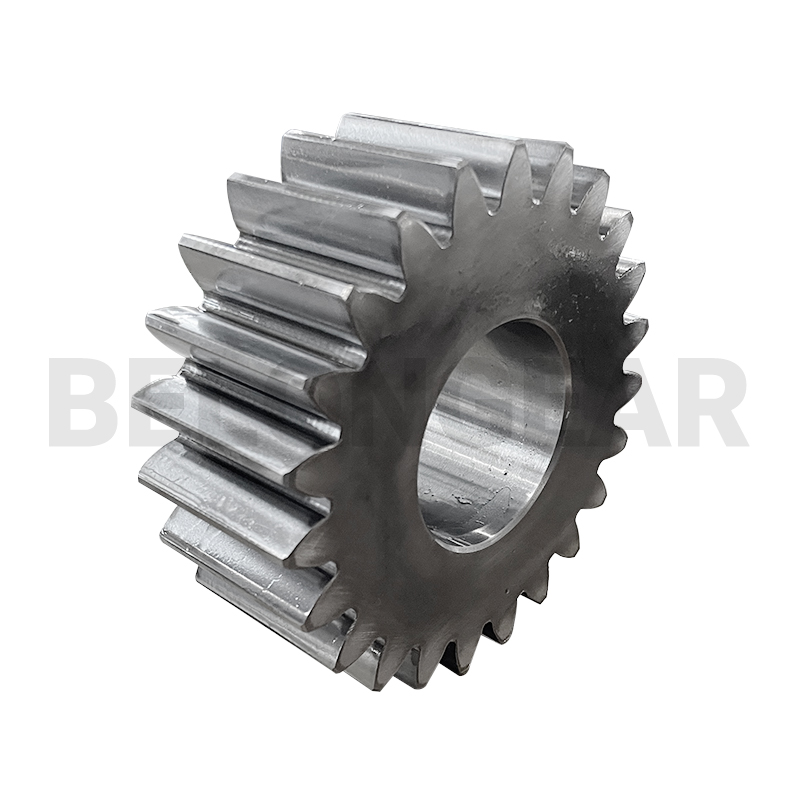

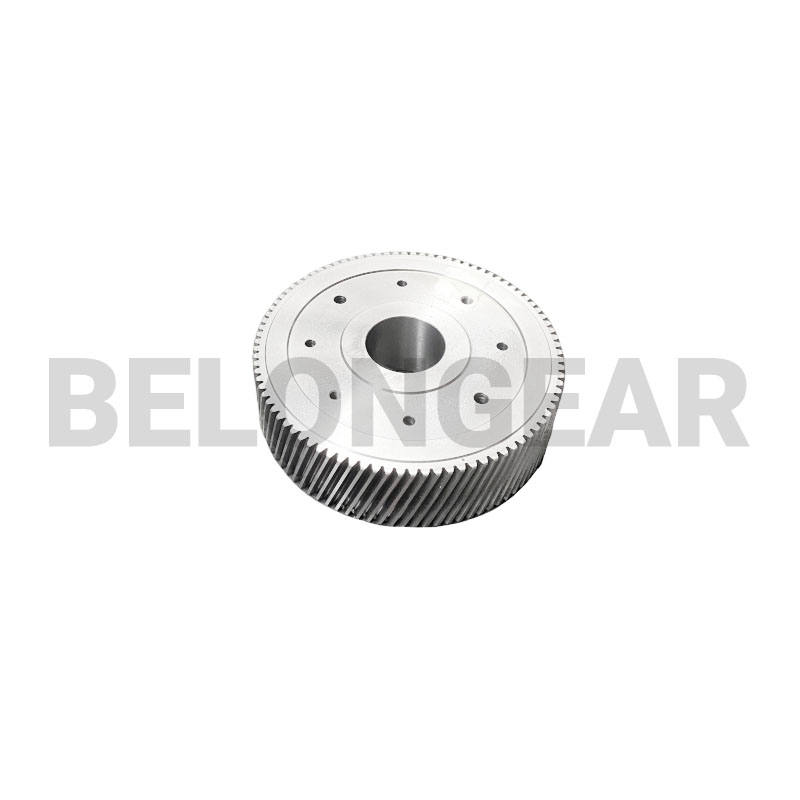
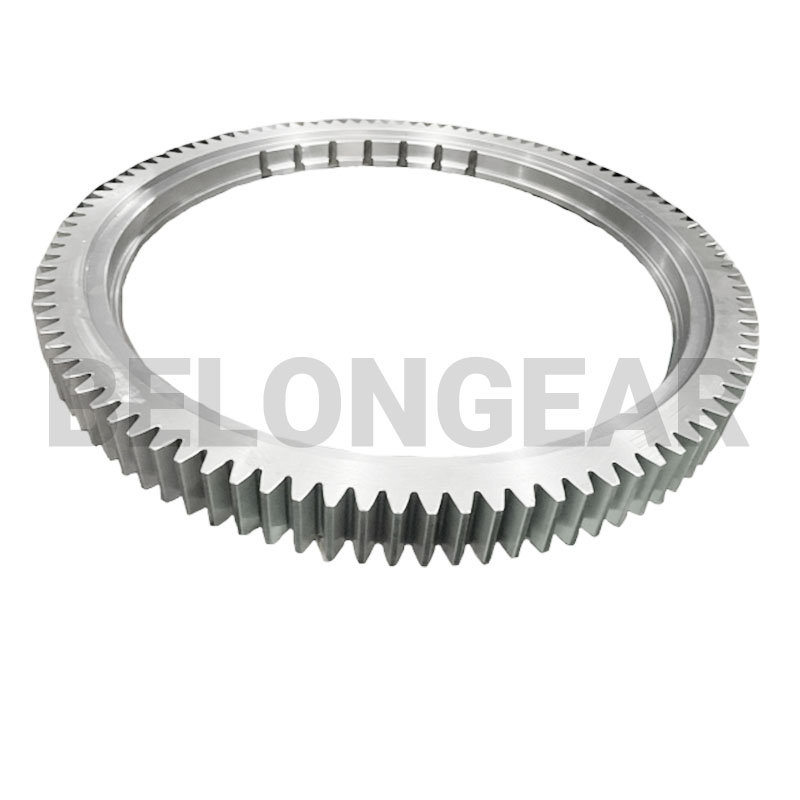

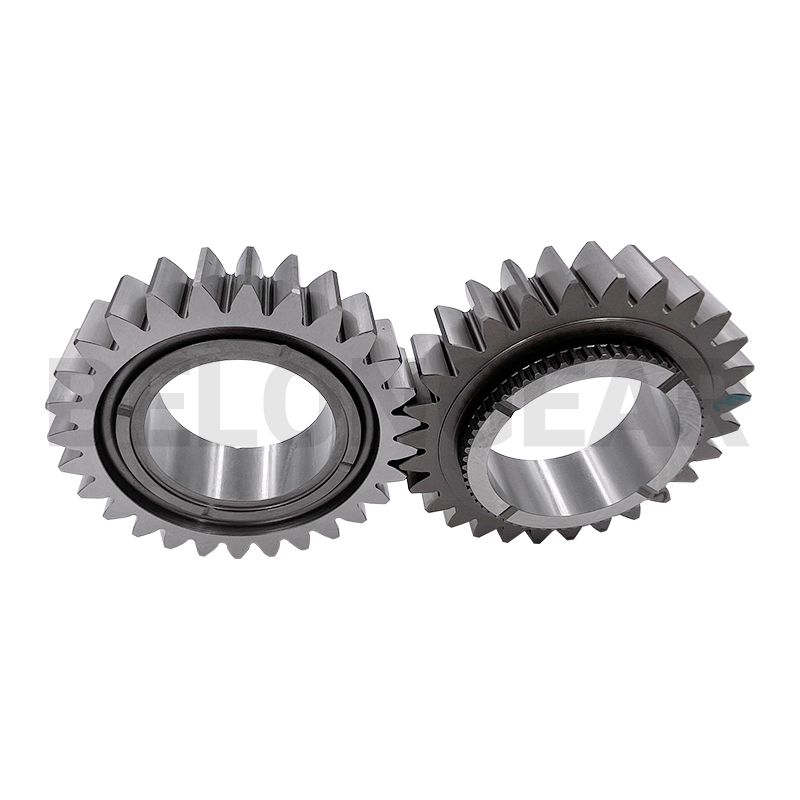
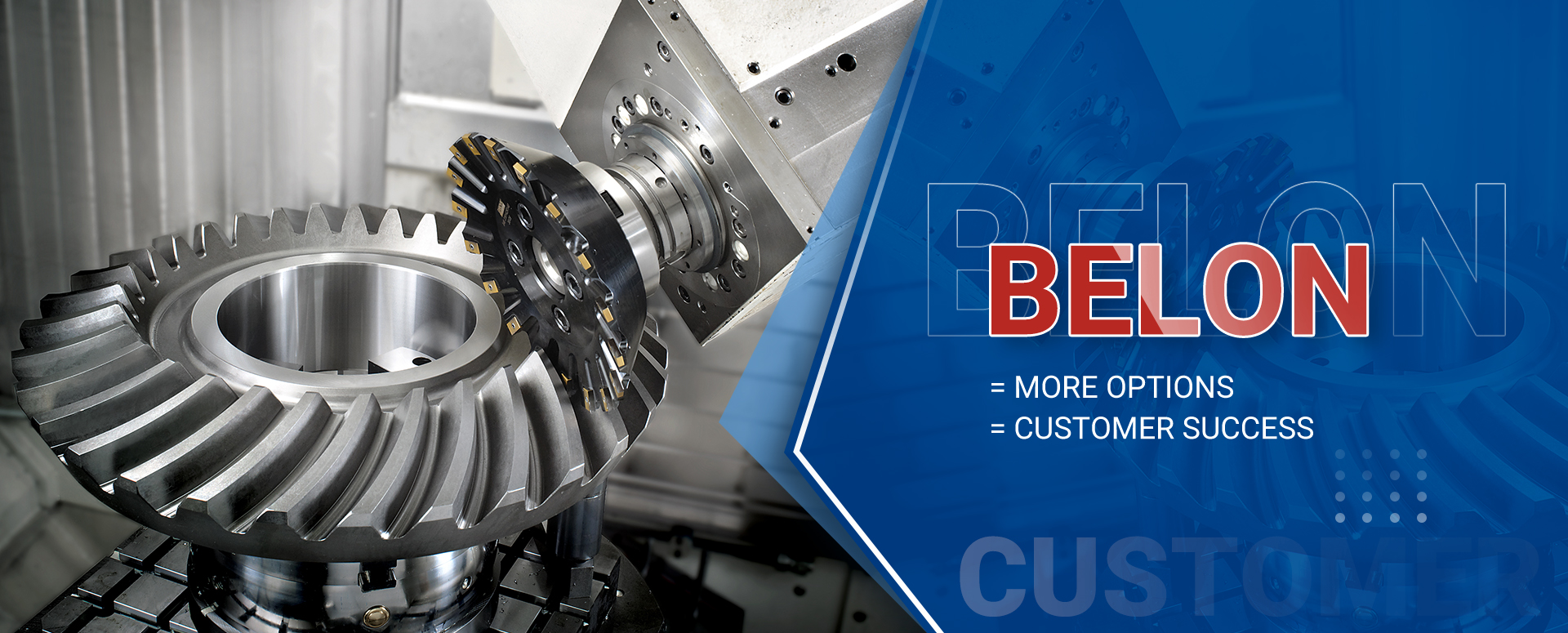
Advantages And Disadvantages Of Spur Gear Manufacturer Stands Out
Top Selling Products




- Related Blog
- Related Videos
- Reviews
