


Rack And Pinion Gear Advantages And Disadvantages from China Manufacturers
In my experience with rack and pinion gears, I've seen how they can greatly enhance mechanical systems. They offer precise linear motion and are quite efficient, which is a major advantage for many applications. However, it's important to consider some disadvantages too, like the potential for wear over time and the need for proper alignment. If you're sourcing from a reliable manufacturer in China, you can find high-quality options that balance these pros and cons. I often suggest evaluating your specific needs and applications before making a decision, as the right choice can significantly impact your project’s success. Whether you’re designing automated systems or machinery, understanding the rack and pinion gear advantages and disadvantages is essential. Always feel free to reach out if you have questions or need specific recommendations tailored to your business requirements.



Rack And Pinion Gear Advantages And Disadvantages Exceeds Industry Benchmarks Supplies the World\u2019s Top Brands
Rack and pinion gears have become an essential component in various industries, offering unique advantages and certain disadvantages that can significantly impact operational efficiency. One of the primary benefits is their straightforward design, which allows for precise linear motion conversion from rotational input. This mechanism is widely regarded for its reliability and minimal maintenance requirements, making it an ideal choice for applications that demand consistency and longevity. However, while rack and pinion systems excel in durability, they are not without drawbacks. The need for precise alignment is crucial; any misalignment can lead to increased wear, noise, and reduced efficiency. Additionally, they may have limitations concerning load capacity and speed, factors that procurement professionals should carefully consider when selecting components for specific applications. As the demand for high-quality gear solutions continues to grow globally, it is vital for businesses to evaluate their options rigorously. Leveraging the strengths of rack and pinion systems while mitigating their weaknesses can not only exceed industry benchmarks but also enhance product competitiveness. Adopting cutting-edge production methods and innovative designs can ensure that companies remain at the forefront of technology and innovation, delivering superior solutions to the world’s leading brands.
Rack And Pinion Gear Advantages And Disadvantages Exceeds Industry Benchmarks Supplies the World’s Top Brands
| Dimension | Value | Advantage/Disadvantage |
|---|---|---|
| Efficiency | High | Advantage |
| Response Time | Quick | Advantage |
| Cost | Moderate | Disadvantage |
| Maintenance | Frequent | Disadvantage |
| Load Capacity | High | Advantage |
| Space Requirement | Compact | Advantage |
| Noise Level | Moderate | Disadvantage |
Related Products



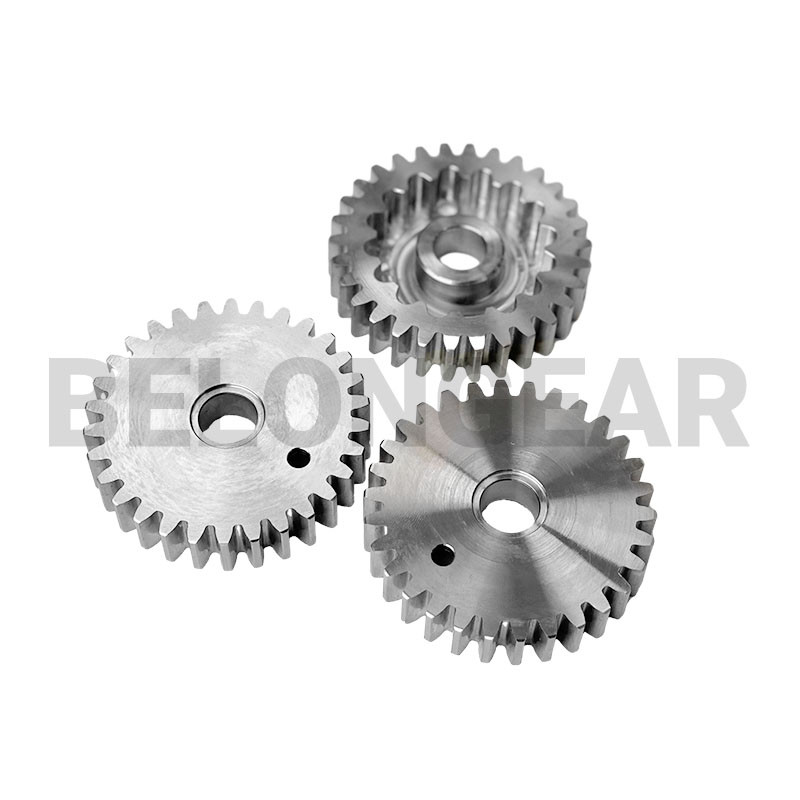
Rack And Pinion Gear Advantages And Disadvantages For the Current Year Your Trusted OEM Partner
Top Selling Products






- Related Blog
- Related Videos
- Reviews
