


Hypoid Vs Worm Drive: Top China Manufacturer Insights and Comparisons
When it comes to choosing between hypoid and worm drive gears, I've found that understanding their differences can make a huge impact on performance and efficiency. Hypoid gears offer smooth operation with high load capacity, making them a favorite for heavy machinery. On the other hand, worm drives are perfect for high torque applications where space is limited, but they may have some friction loss that can affect overall efficiency. As a manufacturer based in China, we prioritize quality and reliability in our gear production. Our hypoid and worm drive solutions are designed to meet the needs of various industrial applications, ensuring that you get the best performance for your investment. If you're looking to enhance your machinery's functionality, let’s discuss how our products can fit into your operations. Your feedback is important, and I'm here to help you make informed decisions. Reach out anytime for more details on what we offer!


Hypoid Vs Worm Drive Supplier Dominates
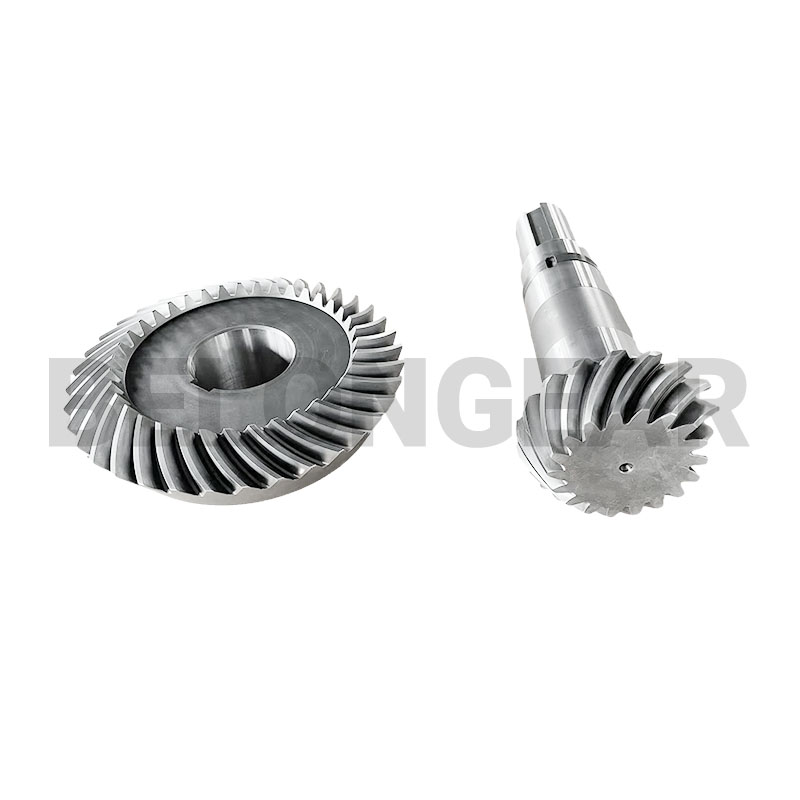
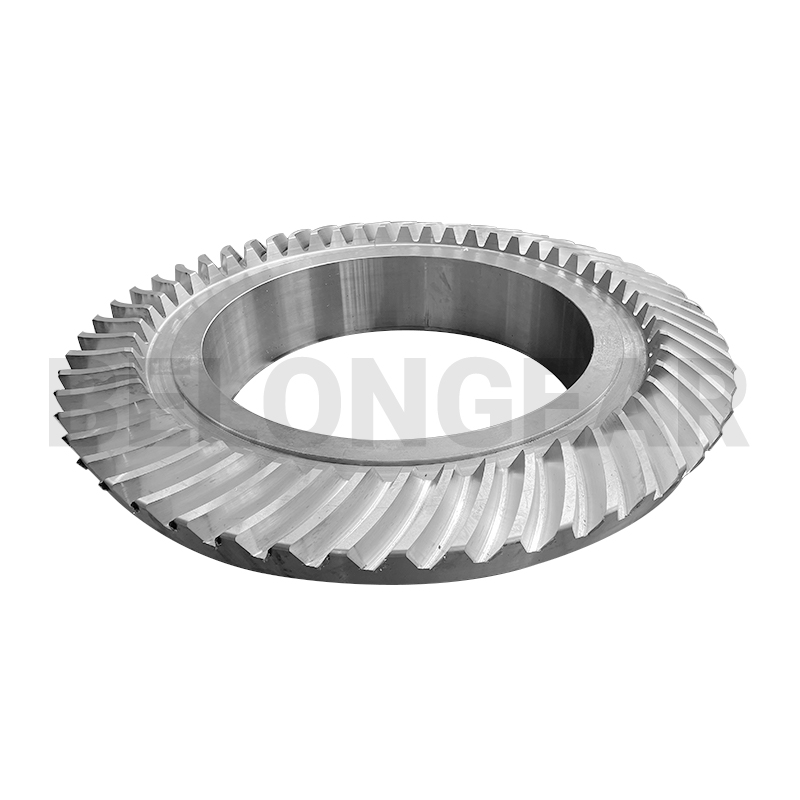
When it comes to power transmission solutions, understanding the nuances between hypoid and worm drive systems is crucial for global buyers seeking efficiency and reliability. Hypoid gears, characterized by their unique design, offer a smooth operation with minimal noise, making them ideal for high-speed applications. Their ability to carry heavy loads while providing excellent torque makes them a preferred choice in industries such as automotive and aerospace. On the other hand, worm drives excel in applications where space is limited, thanks to their compact design. They also provide significant advantages in terms of torque multiplication and self-locking capabilities, making them exceptionally suited for lifting mechanisms and conveyor systems. The choice between hypoid and worm drives ultimately depends on specific application needs, including load requirements, desired efficiency, and spatial constraints. For international procurement specialists, partnering with reliable suppliers offering both hypoid and worm drive solutions is essential. Ensuring that products meet international quality standards and incorporate the latest technology can significantly enhance operational efficiency. Understanding the strengths and weaknesses of each drive type enables buyers to make informed decisions that align with their operational goals, ensuring long-term success in their respective markets.
Hypoid Vs Worm Drive Supplier Dominates
| Drive Type | Torque Capacity (Nm) | Efficiency (%) | Applications | Material |
|---|---|---|---|---|
| Hypoid Drive | 150 | 95 | Automotive, Conveyor Systems | Steel Alloy |
| Worm Drive | 200 | 85 | Elevators, Hoists | Bronze |
| Hypoid Drive | 225 | 92 | Robotics, Machine Tools | Aluminum Alloy |
| Worm Drive | 300 | 80 | Agricultural Equipment, Mining | Cast Iron |
Related Products


Hypoid Vs Worm Drive Delivers Unmatched Quality Factory-Direct Excellence
Top Selling Products




- Related Blog
- Related Videos
- Reviews
