


Hypoid Gear Vs Worm Gear: Key Differences from China's Leading Manufacturer
When searching for the right gear for your machinery, understanding the pros and cons of hypoid gear vs worm gear is crucial. Both types offer unique advantages depending on the application, but it can be confusing to choose the best one. As a manufacturer based in China, I can provide insights on how these gears perform under different conditions. Hypoid gears typically allow for smoother operation and higher efficiency, while worm gears excel in high torque applications with limited space. I often speak to clients who benefit from tailored solutions that fit their specific needs. You get not just quality products, but also expertise that guides your decisions. If you're sourcing reliable, durable gears that can withstand wear and tear, let’s connect. I'm here to help you make an informed choice that enhances your operations.


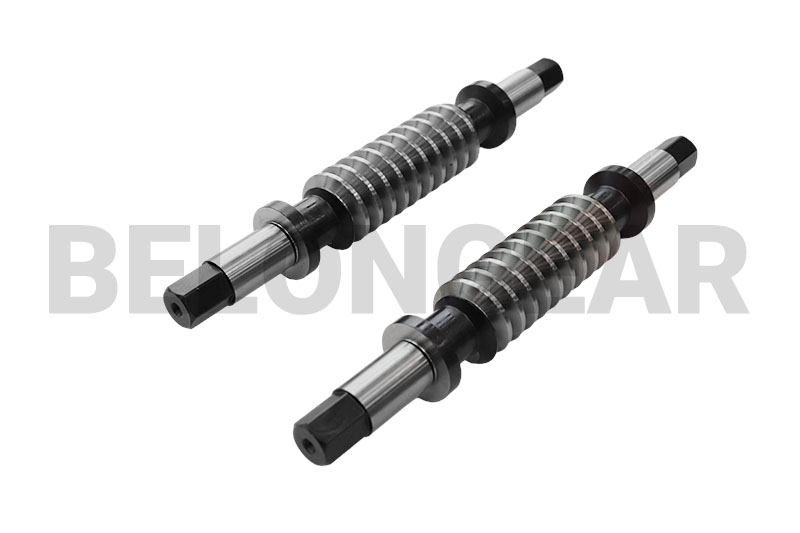
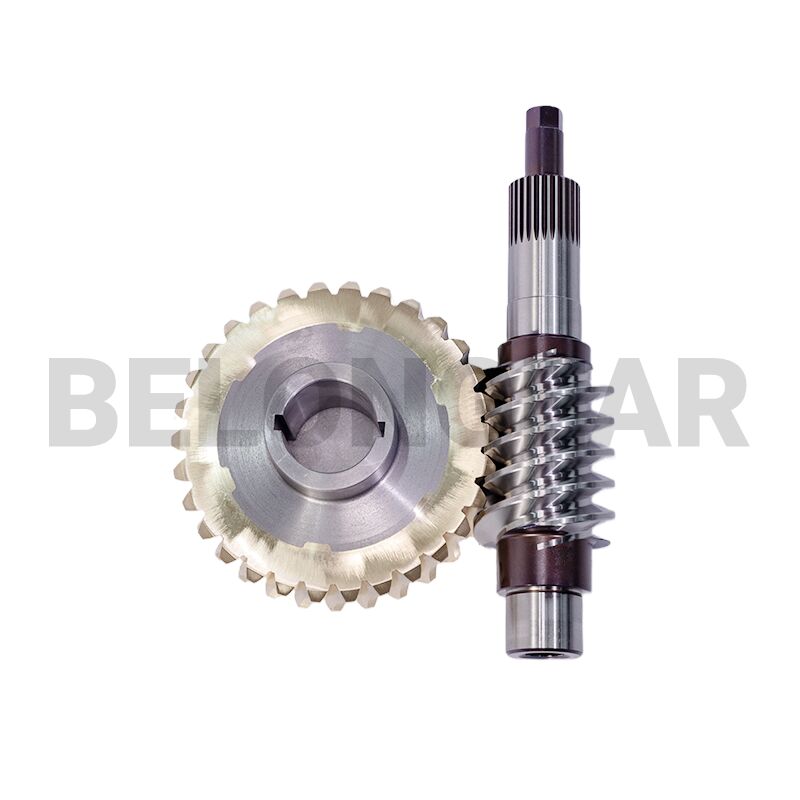
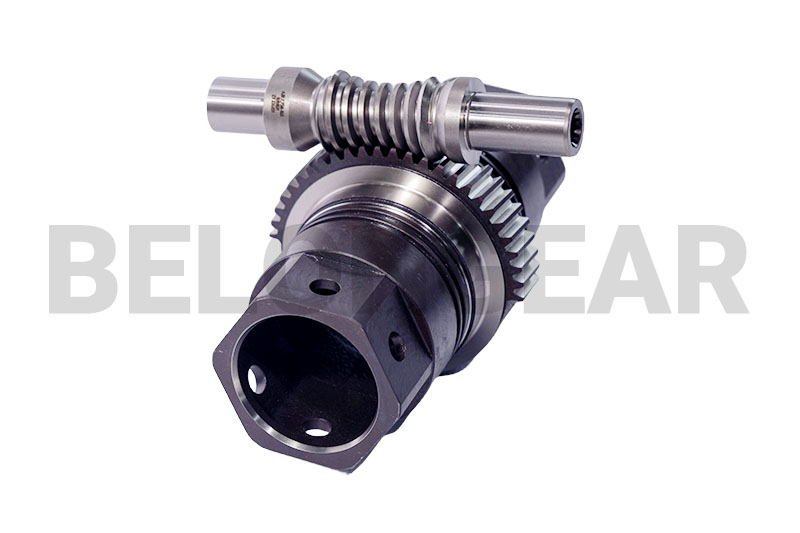
Hypoid Gear Vs Worm Gear Is The Best Where Service Meets Innovation
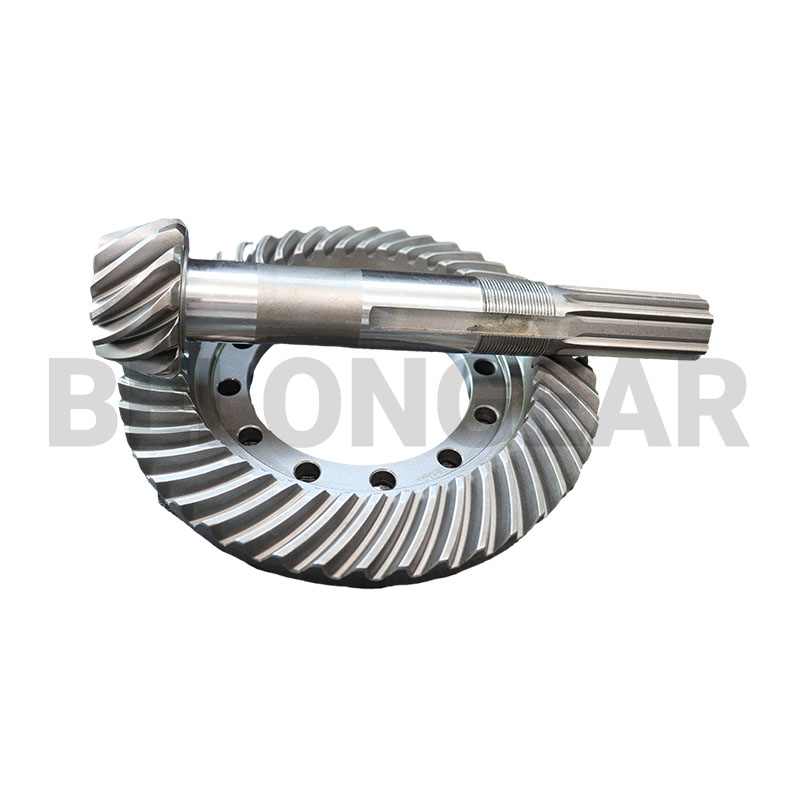
In the competitive world of mechanical engineering, the choice between hypoid gears and worm gears is crucial for optimizing performance and ensuring reliability. Both types of gears offer distinct advantages that cater to specific applications, making them indispensable in various industrial settings. Hypoid gears, known for their smooth operation and high torque capacity, excel in precision applications requiring minimal backlash. Their unique design allows for greater contact area between the teeth, resulting in quieter operation and enhanced durability. On the other hand, worm gears stand out due to their ability to achieve high gear reductions in a compact form. Ideal for applications where space is limited, worm gears can transmit power efficiently at a right angle, making them popular in conveyor systems and lifting devices. Their inherent self-locking properties also add a layer of safety, preventing backdrive in vertical applications. Choosing the right gear type hinges on the specific requirements of your application, including load capacity, speed, and environmental conditions. By understanding these two innovative gear systems, global buyers can make informed decisions that align with their operational needs, ultimately enhancing productivity and driving success.
Hypoid Gear Vs Worm Gear: Where Service Meets Innovation
| Feature | Hypoid Gear | Worm Gear |
|---|---|---|
| Efficiency | High (up to 98%) | Moderate (50-90%) |
| Torque Capacity | Very High | Moderate |
| Backlash | Low | Higher |
| Application Range | Automotive, Aerospace | Conveyor, Machinery |
| Noise Level | Quieter | Noisier |
| Size and Weight | More Compact | Bulkier |
Related Products




Hypoid Gear Vs Worm Gear Manufacturers You Can Rely On Global Reach
Top Selling Products




- Related Blog
- Related Videos
- Reviews
- Related Videos
- Reviews
