


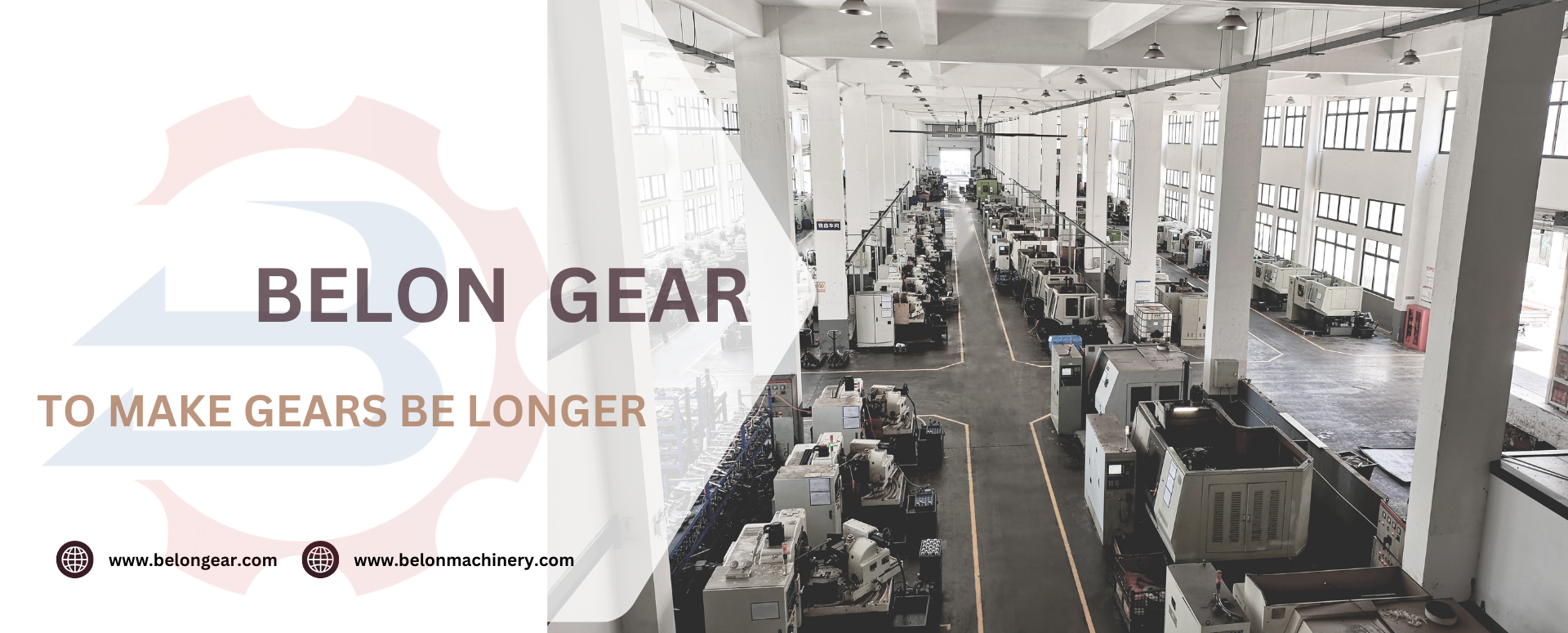
Gear Drive Advantages and Disadvantages from Top China Manufacturers
When I first dived into the world of gear drives, I was amazed by the impressive advantages they offer. Gear drives are highly efficient, providing a compact design that suits many applications. They translate rotational motion with minimal losses, making them perfect for manufacturers in China seeking to optimize performance. However, I soon realized there are some downsides, such as the potential for wear and noise, which may be a concern for buyers like me. As a B2B purchaser, I understand the importance of weighing these factors. The key is to find the right manufacturer who not only provides high-quality gear drives but also understands the specific needs of your business. Whether you’re after durability or efficiency, my experience has shown that informed decisions lead to the best outcomes. So, if you’re looking for reliable gear drives, consider what features are essential for your operations to make the best choice.
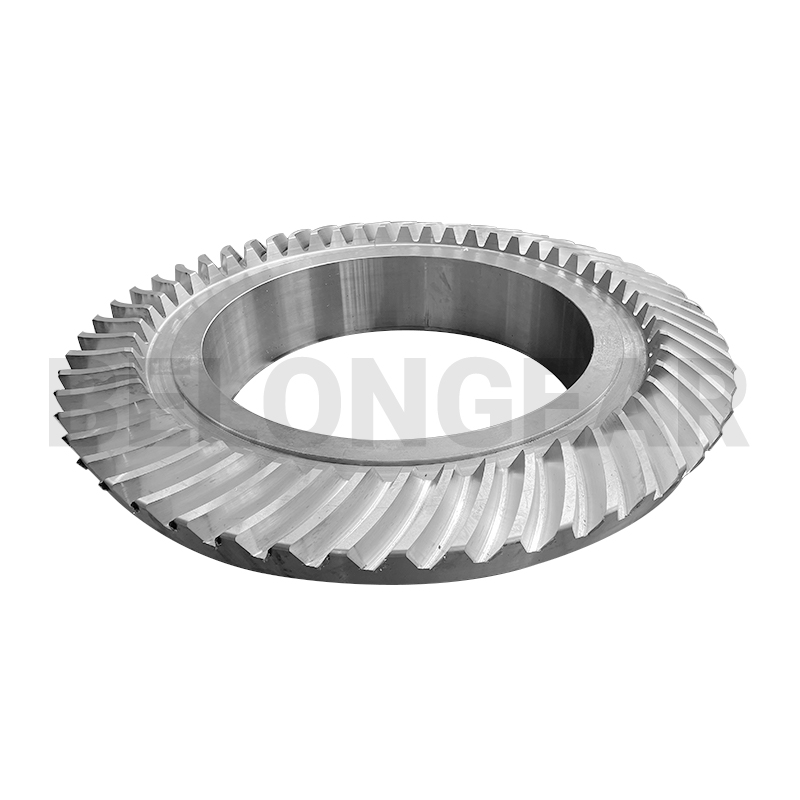
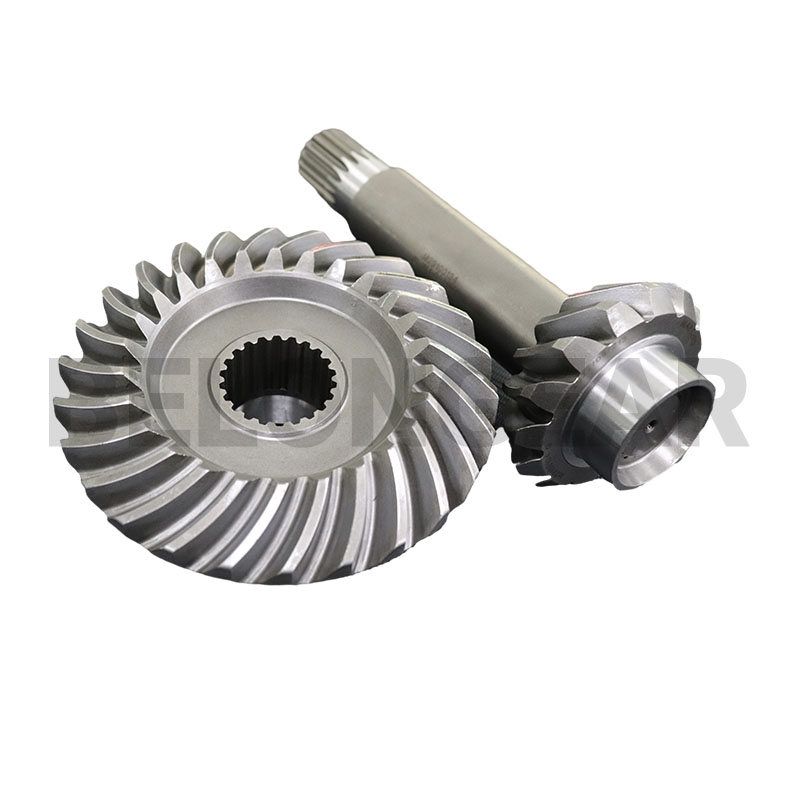


Gear Drive Advantages And Disadvantages Leads the Global Market Your End-to-End Solution
Gear drives have become essential components in various machinery across industries, primarily due to their efficiency in power transmission and compact design. Understanding the advantages and disadvantages of gear drives is crucial for global buyers looking to optimize their operations. The primary benefit of gear drives lies in their high torque transmission capabilities, which allow for smooth and reliable performance even under significant load conditions. Additionally, they are known for their durability, often outlasting other transmission methods due to their robust construction and reduced wear over time. However, gear drives are not without drawbacks. They can present challenges such as noise generation and the need for precise installation to avoid excessive wear or failure. Furthermore, the initial cost of gear drives can be higher compared to alternative systems, which may deter some buyers. Nevertheless, for those investing in high-performance machinery, the long-term advantages, including reduced maintenance costs and enhanced efficiency, typically outweigh the initial expenses. For global procurement agents, partnering with manufacturers that provide comprehensive solutions—from custom design to installation and maintenance—is essential. This end-to-end approach ensures that businesses not only acquire reliable gear drives but also receive ongoing support to maximize their performance and integration within existing systems. As the demand for efficient and durable machinery continues to grow, understanding the nuances of gear drive systems will empower procurement specialists to make informed decisions that ultimately lead to greater operational success.
Gear Drive Advantages And Disadvantages Leads the Global Market Your End-to-End Solution
| Dimension | Advantage | Disadvantage | Application Area |
|---|---|---|---|
| Efficiency | High efficiency with low power losses. | Can be expensive to manufacture. | Industrial machinery, automotive systems. |
| Durability | Long lifespan and robust design. | Heavy and bulky compared to alternatives. | Heavy equipment, aerospace applications. |
| Speed Ratio | Can achieve high speed ratios. | Complex adjustments might be required. | Robotic arms, conveyor systems. |
| Noise Levels | Generally quieter than belt drives. | Potential for gear whine at high speeds. | Consumer electronics, HVAC systems. |
Related Products


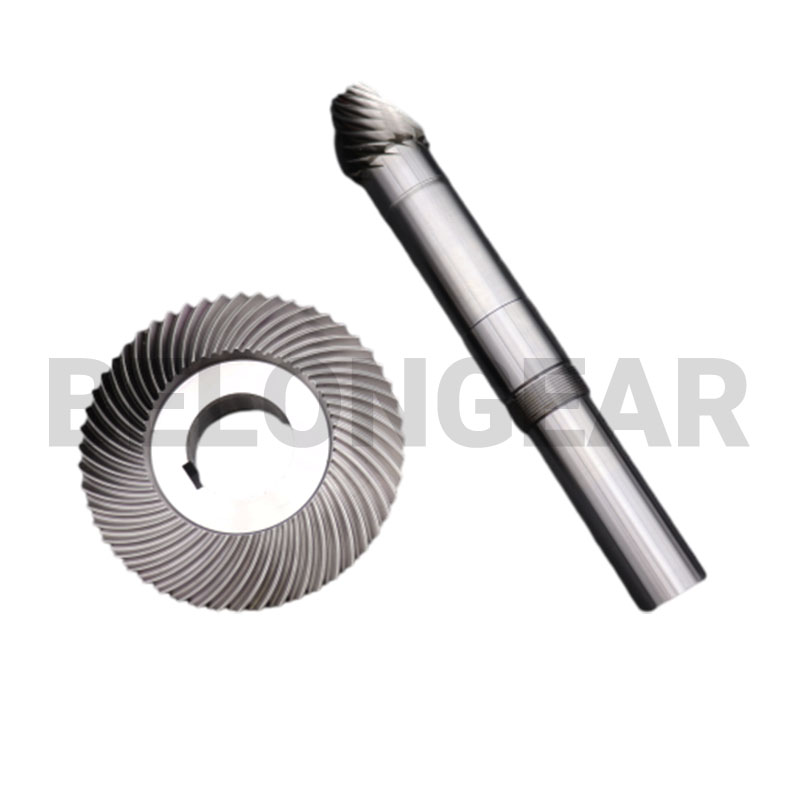

Gear Drive Advantages And Disadvantages Market Leader Custom Solutions,
Top Selling Products





- Related Blog
- Related Videos
- Reviews
