


Spur Gear and Helical Gear Difference: Insights from China Manufacturer
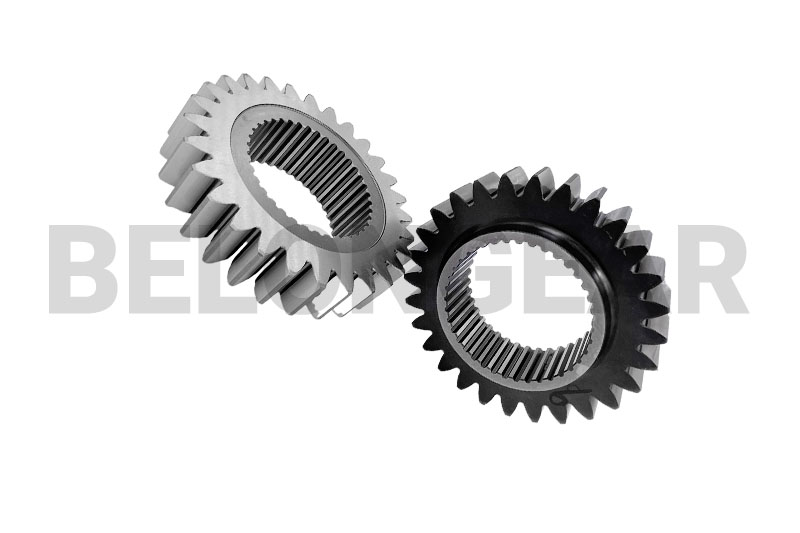
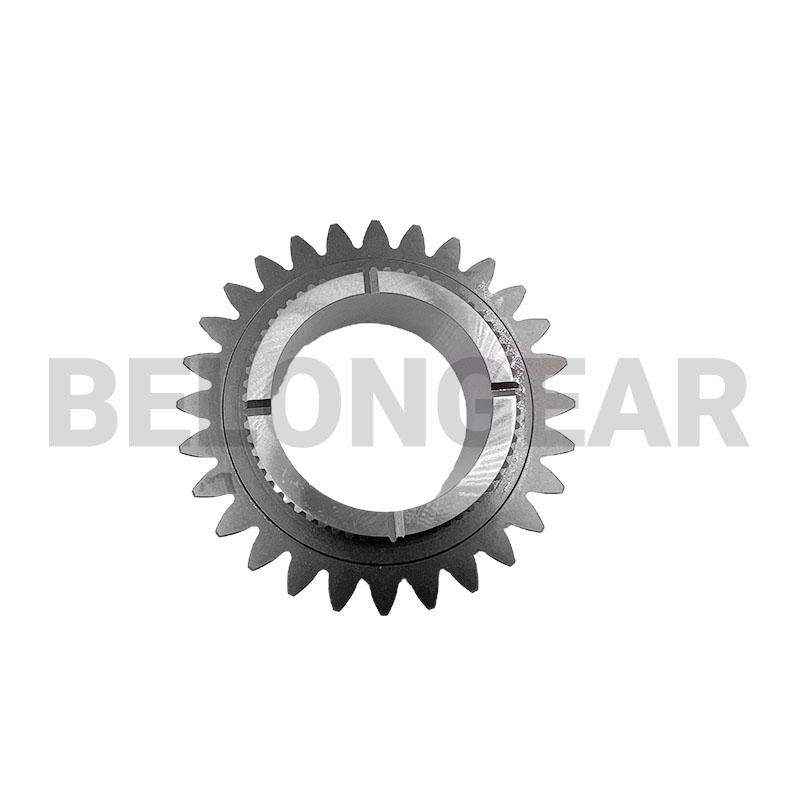
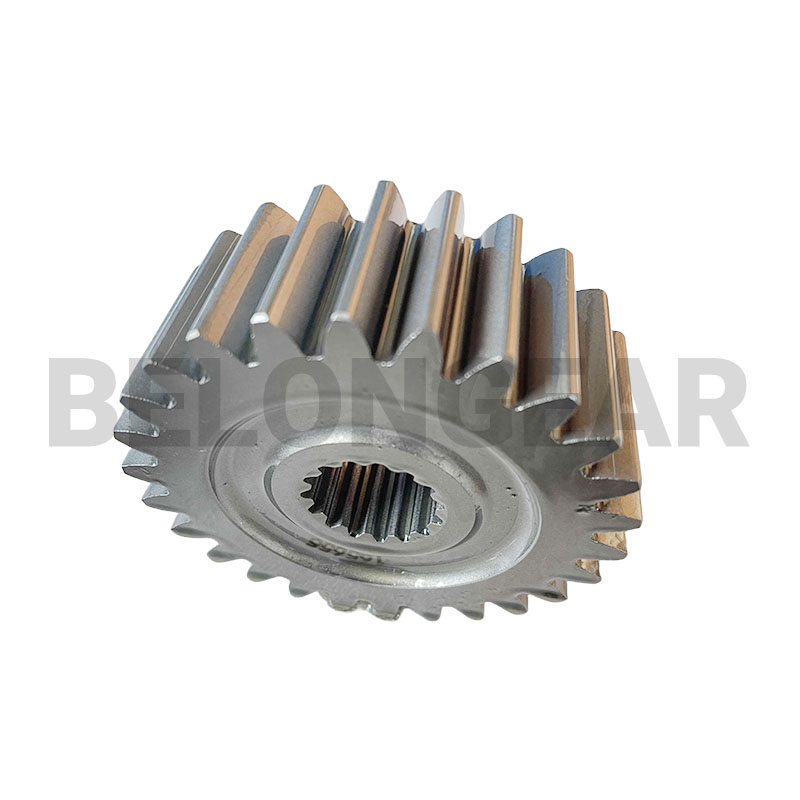
As an experienced buyer in the gear manufacturing industry, I understand the importance of knowing the differences between spur gears and helical gears. Spur gears are known for their straight teeth and efficient power transfer, making them ideal for applications requiring high speed and torque. In contrast, helical gears feature angled teeth that provide smoother engagement and quieter operation, perfect for applications with higher loads and where noise reduction is a priority. Working with a reliable manufacturer in China, I found that the quality and precision in producing these gears can greatly impact performance and longevity. Whether you need spur or helical gears, it's crucial to choose a supplier who understands your specific needs and offers high-quality products. Let me help you navigate these choices and ensure you make the best decisions for your projects. Don't hesitate to reach out for more insights on how these gear types can benefit your applications.
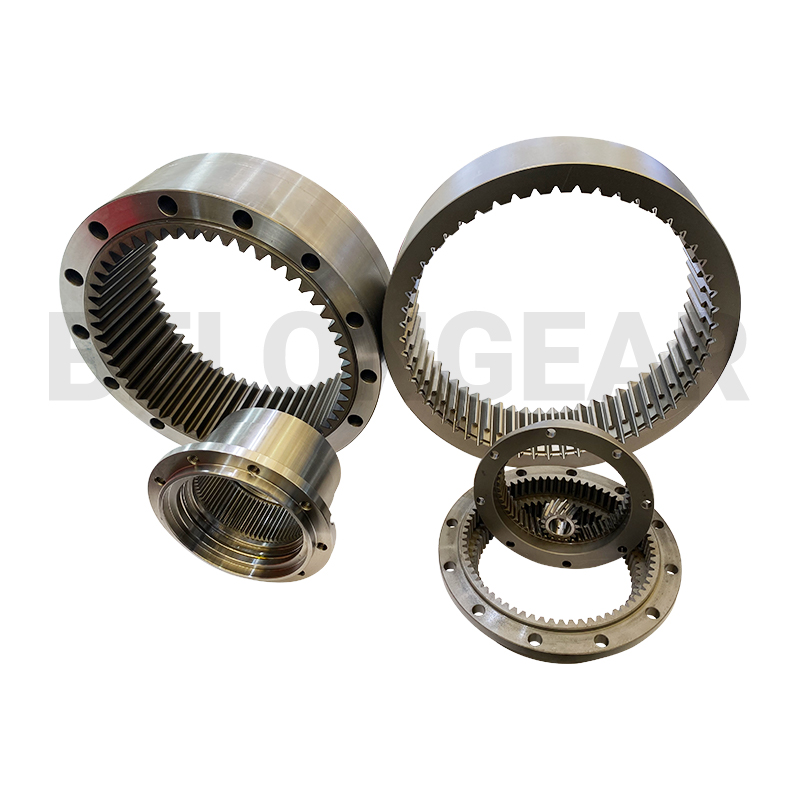
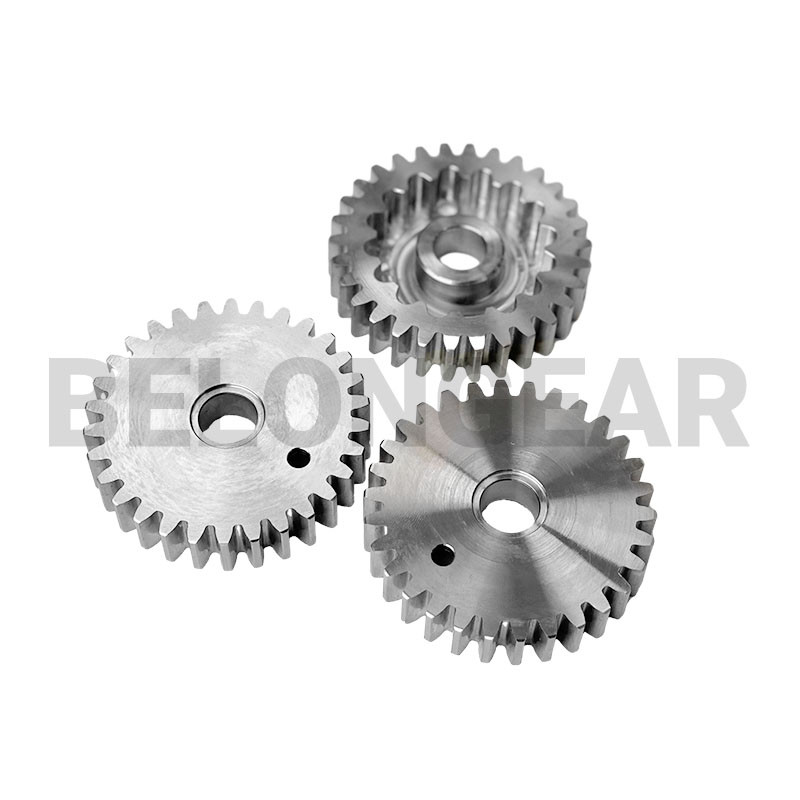
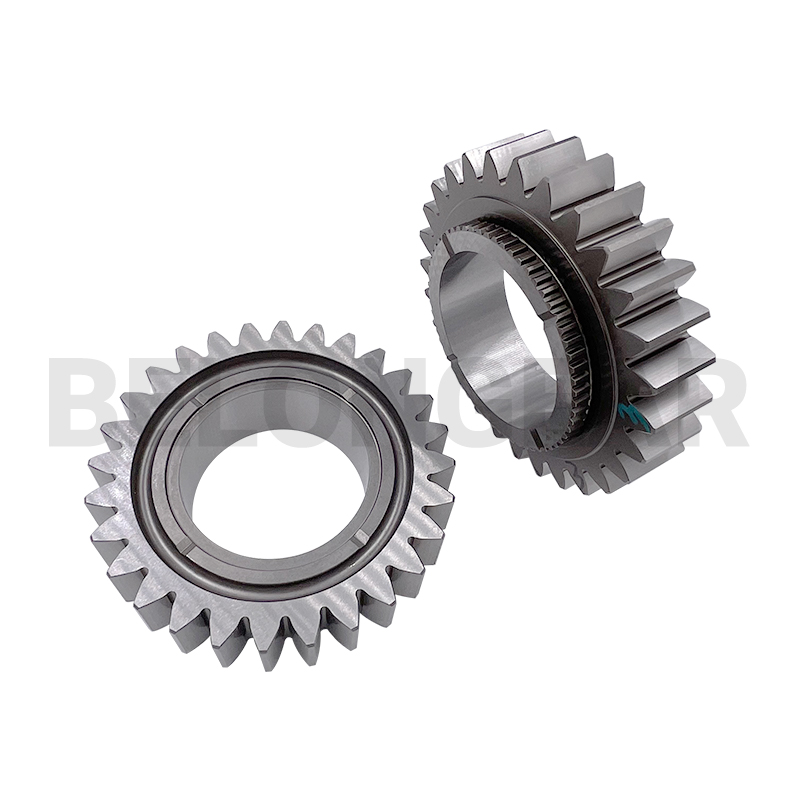


Spur Gear And Helical Gear Difference in 2025 Delivers Unmatched Quality
In the ever-evolving landscape of mechanical engineering, the differences between spur gears and helical gears remain pivotal for manufacturers and engineers seeking optimal performance in their applications. As we step into 2025, understanding these distinctions can significantly enhance procurement strategies for global businesses aiming for unmatched quality. Spur gears, characterized by their straight teeth and parallel alignment, are known for their simplicity and high efficiency in transmitting power between parallel shafts. They exhibit minimal axial thrust, making them ideal for applications requiring high torque and speed. In contrast, helical gears feature angled teeth that provide gradual engagement. This design results in smoother operation, reduced noise, and better load distribution capabilities, making helical gears preferable for high-speed applications and those requiring precision. As gear technology advances, choosing between spur and helical gears will depend on specific operational demands, including load, speed, and environment. Businesses must prioritize quality and reliability in their gear selection process to ensure longevity and performance of their machinery. By understanding the inherent differences and applications of these gear types, procurement managers can make informed decisions that lead to enhanced productivity and efficiency in their operations.
Spur Gear And Helical Gear Difference in 2025 Delivers Unmatched Quality
| Feature | Spur Gear | Helical Gear |
|---|---|---|
| Alignment | Parallel axes | Non-parallel axes |
| Load Distribution | Point contact | Line contact |
| Efficiency | Lower efficiency | Higher efficiency |
| Noise Level | Higher noise | Lower noise |
| Manufacturing Complexity | Simpler to manufacture | More complex to manufacture |
| Application | Low-speed applications | High-speed applications |
Related Products



Spur Gear And Helical Gear Difference Industry Giant Pioneers in the Field
Top Selling Products






- Related Blog
- Related Videos
- Reviews
