


What Is the Cost of a Gear? Understanding Gear Price and Stock Availability
When purchasing gears for industrial, automotive, or robotic applications, one of the most common questions customers ask is: “What is the cost of a gear?” The answer depends on several key factors, including the gear type, material, precision grade, and production quantity. Understanding these elements can help engineers and buyers make more informed purchasing decisions while ensuring the best performance to cost ratio.
1. Factors That Affect Gear Price
The price of a gear is influenced by multiple design and manufacturing parameters. Below are the most common factors:
1. Gear Type:
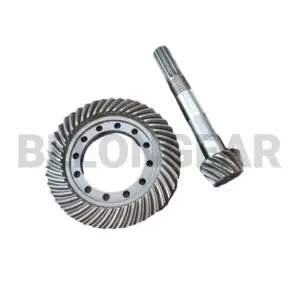
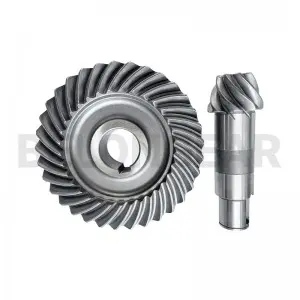
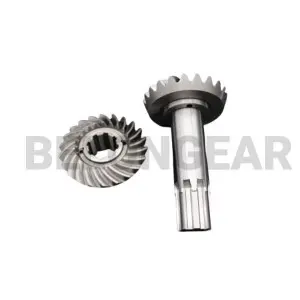
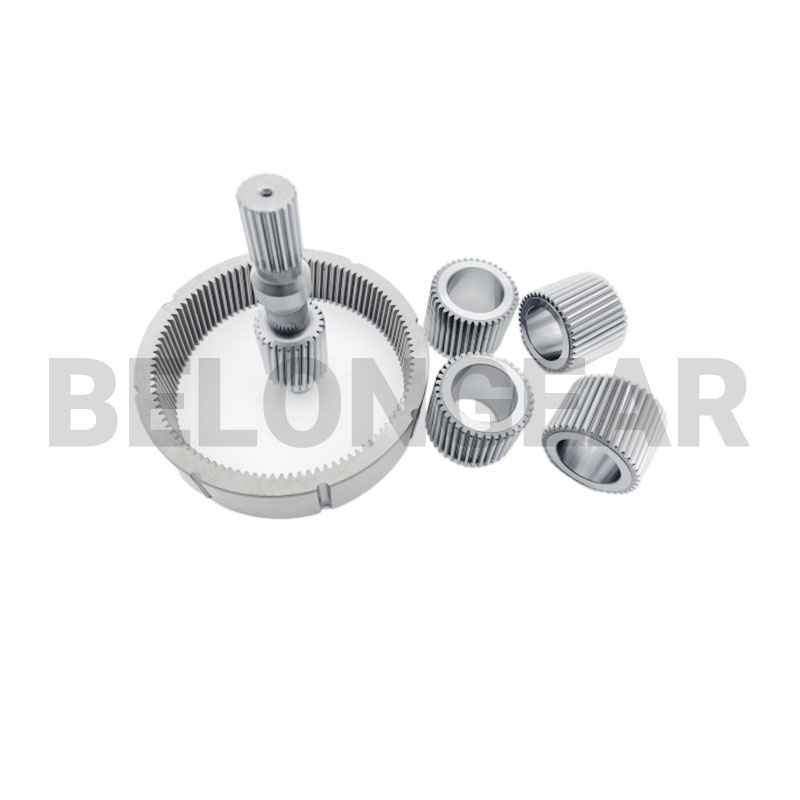
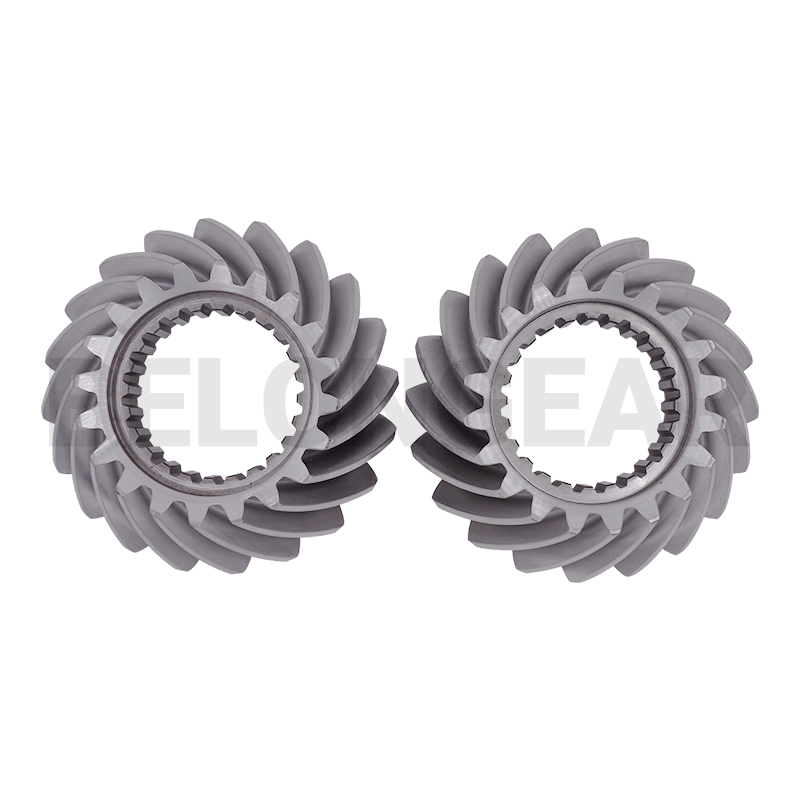
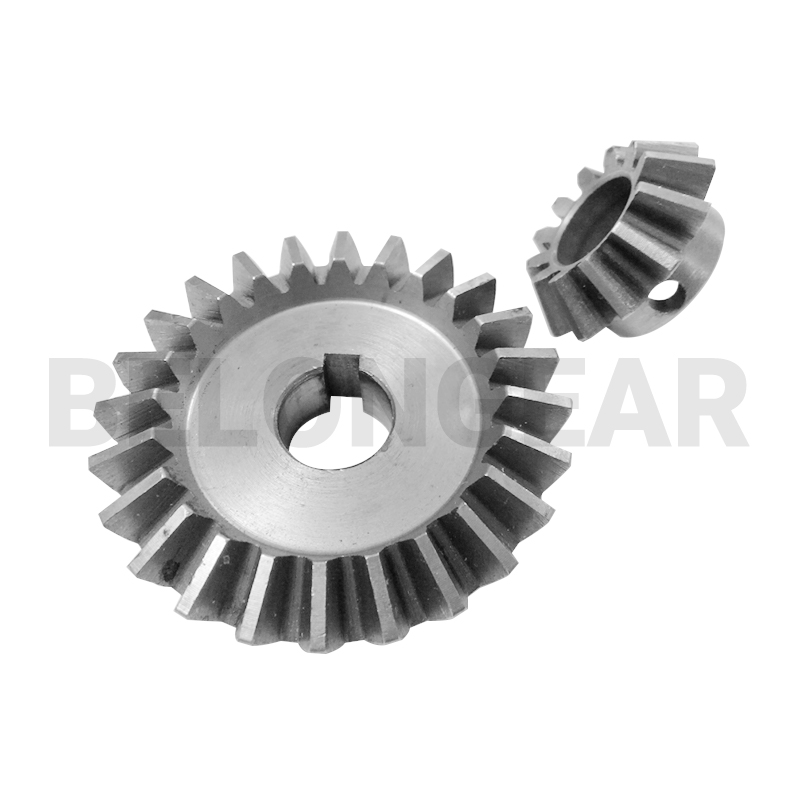
Different types of gears such as spur gears, helical gears, bevel gears, worm gears, or planetary gears—require different machining methods and tolerances. For instance, spiral bevel gears or hypoid gears generally cost more due to their complex tooth geometry and precision requirements.
2. Material Selection:
Gear materials directly impact performance and cost. Common options include carbon steel, alloy steel, stainless steel, brass, aluminum, and plastic.
Steel gears are ideal for heavy duty and high torque applications.
Plastic gears are more affordable and suitable for lightweight or noise sensitive mechanisms
3. Manufacturing Process:
Processes such as forging, CNC hobbing, gear grinding, heat treatment, and lapping can all influence the final price. Precision grinding, for example, increases production time but significantly improves surface finish and accuracy.
4. Size and Module:
Larger gears or those with higher modules require more material and longer machining time, increasing cost.
5. Order Quantity:
Bulk orders benefit from economies of scale, reducing the price per piece compared to small-quantity or prototype production.
6. Precision and Quality Grade:
Higher accuracy gears (e.g., DIN 6 or AGMA 11) cost more but are essential for demanding applications like aerospace, robotics, or automotive gearboxes.
Related Products
What Is Gear Stock?
Gear stock refers to standardized, pre-machined gear blanks or semi-finished gears that manufacturers keep in inventory. These blanks can be customized quickly according to customer drawings or specifications.
At Belon Gear, we maintain a comprehensive stock of standard spur and helical gears, bevel gear blanks, and gear shafts. This enables faster delivery for urgent projects and helps customers reduce lead times and downtime.
Our stock materials include:
Alloy steel (20CrMnTi, 42CrMo, 40Cr)
Stainless steel and carbon steel
Brass and aluminum alloys
We also provide custom machining, surface treatment, and heat treatment services, ensuring every gear meets strict dimensional and mechanical standards.
Typical Gear Price Range
Although prices vary by specification, the following gives a general idea:
Small precision spur gears ,Helical or bevel gears, Custom forged or ground gears depending on size and accuracy
For large or OEM-scale production, Belon Gear offers competitive quotations and long-term supply partnerships, ensuring cost efficiency without compromising quality.
Why Choose Belon Gear
As a professional gear manufacturer and supplier, Belon Gear combines advanced manufacturing technology with strict quality control to deliver high-performance gears worldwide. With in-house CNC machining centers, Gleason gear grinding machines, and Klingelnberg measuring systems, we ensure every product meets international standards.
Whether you need custom-designed gears or ready-to-ship stock gears, Belon Gear provides flexible solutions, reliable quality, and competitive pricing to support your projects in automotive, industrial, and robotic applications.